
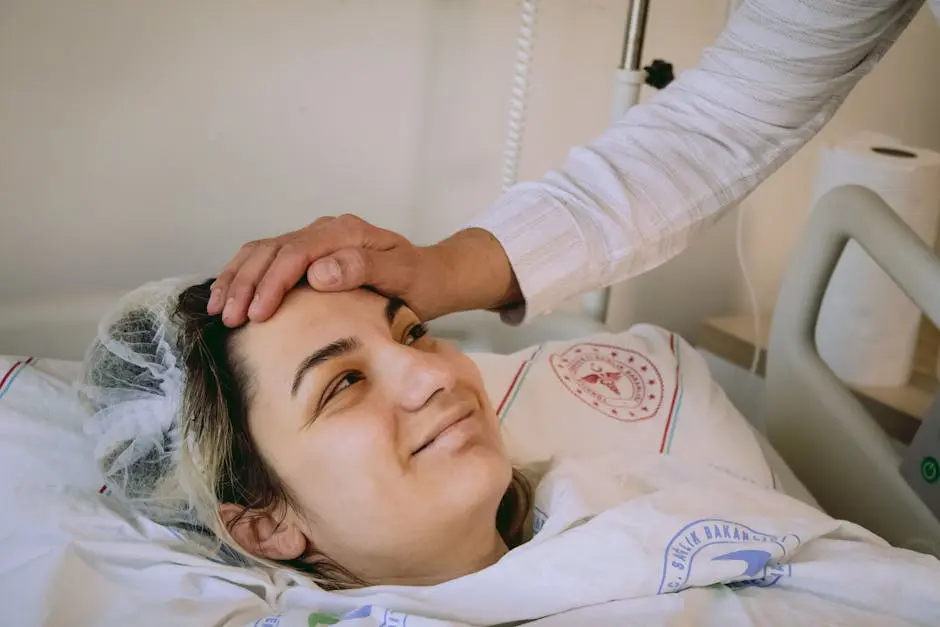
Recovering from facial plastic surgery can be an overwhelming journey filled with excitement and a touch of anxiety. It’s essential to know what to expect and how to care for yourself during this healing process. In this guide, we’ll outline the top dos and don’ts to help you navigate recovery smoothly and safely while achieving the best results possible.

1. Prioritize Rest and Relaxation
Rest is crucial for your body to heal after surgery. Ensure you carve out enough time to relax and allow your body to recuperate.
Taking breaks helps your body rebuild and repair itself. Consider creating a cozy space where you can recline comfortably, read, or even watch your favorite shows. That’s right – your favorite series marathon can be a part of your recovery!
Moreover, adequate sleep can significantly boost your healing process. Aim for at least 8 hours of sleep every night, since it’s during sleep that your body performs its most critical repairs. Remember, this is a time to be kind to yourself—don’t feel guilty about grabbing those extra Z’s!
2. Stay Hydrated for Optimal Healing
Drinking plenty of water helps maintain skin elasticity and supports overall recovery. Keep that water bottle handy!
Hydration isn’t just about drinking water; consider incorporating hydrating foods into your diet as well. Fruits such as watermelon and cucumbers can help you stay refreshed while benefiting your recovery.
Don’t overlook the role that hydration plays in reducing swelling. The more hydrated you are, the less likely you are to experience those pesky post-operative side effects. So, sip that water and show your body some love!
3. Follow Your Surgeon’s Instructions
Every surgeon has specific post-operative care recommendations. Stick to their guidelines to ensure the best results.
Sometimes these instructions may feel overwhelming due to detail, but remember, they are there to guide you through a successful recovery. If anything seems unclear, don’t hesitate to reach out to your surgeon for clarification.
Following these individualized instructions is crucial as they are tailored to your unique surgery and needs. Most importantly, this commitment will ensure you have fewer complications and faster recovery times. Don’t just nod and smile—read them carefully!
4. Ice the Area to Reduce Swelling
Applying ice packs can help manage swelling during the initial recovery phase. Just be sure to wrap them in a cloth to protect your skin.
Consider setting a timer for a cycle of 20 minutes on and 20 minutes off. This will not only help minimize swelling but can also be soothing. Ice therapy is one of those little things that can make a huge difference in your comfort level.
5. Keep Your Head Elevated
Propping your head up while resting helps reduce swelling and improves comfort during recovery. Use extra pillows for support.
Elevating your head doesn’t have to be uncomfortable. Try adjusting how you sleep, or relax in a recliner or propped up with a few pillows. Your body will thank you, especially during the first few days post-surgery.
6. Avoid Strenuous Activities
Physical exertion can increase swelling and lead to complications. Take it easy and allow your body to heal without rushing back into your routine.
Think of this recovery period as a chance to indulge in some relaxation. Perhaps catch up on reading or exploring new hobbies that don’t require much physical movement. Just because you need to rest doesn’t mean you can’t enjoy it!
7. Limit Sun Exposure
Your skin will be sensitive after surgery, making it essential to protect it from the sun. Consider using a wide-brimmed hat and sunscreen.
If you absolutely need to go out in the sun, be diligent about applying sunscreen. Not only will this protect your sensitive skin, but it will also help with your overall healing. Aim for a sunscreen that’s broad-spectrum and at least SPF 30 for added protection.
8. Refrain from Smoking and Alcohol
Both smoking and alcohol can hinder the healing process. It’s best to avoid them completely during your recovery period.
Quitting smoking ahead of surgery is a fantastic move, but it shouldn’t stop there. Post-surgery is equally crucial. Not only will you recover better, but your skin will also look more radiant as it heals.
9. Don’t Rush the Healing Process
Healing isn’t always immediate. Be patient and give your body the time it needs to recover fully before making any assessments about your results.
Remember, the healing journey is a marathon, not a sprint. Each day brings you closer to your amazing results, so take a moment to appreciate the process. Celebrate the small milestones, no matter how insignificant they may seem.
10. Avoid Touching Your Face
Minimize touching your face to prevent infections and ensure that the healing incisions stay intact.
It can be hard not to fuss over your stitches or bandages, but trust that your body will do its job in healing. Try keeping your hands busy with other activities to distract yourself from temptation!
11. Listen to Your Body’s Signals
Pay attention to how your body feels throughout your recovery. If something seems off, don’t hesitate to reach out to your medical provider.
Everyone heals differently. Listen carefully to the signals your body sends you. If you’re experiencing unexpected pain or discomfort, reach out for help. It’s your recovery, and you deserve to feel heard.
12. Don’t Skip Follow-Up Appointments
Follow-up appointments with your surgeon are vital for monitoring progress and addressing any concerns. Always keep those appointments.
These visits not only track your healing but also provide an opportunity to discuss how you feel about your results so far. Open communication can lead to adjustments or supportive guidance. Your journey isn’t just physical; it’s also about feeling secure and informed.
