Mini Facelift*
Patient case · Facelift
View all case photos →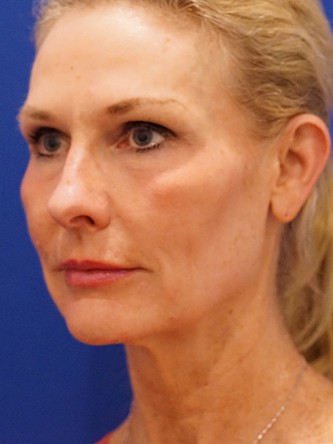
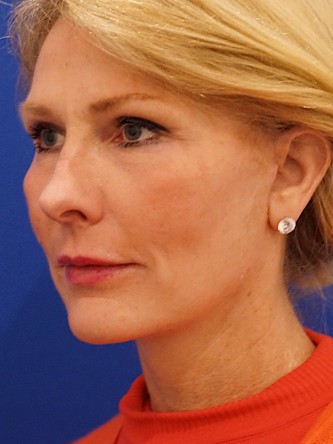
Oblique Left: *Individual results may vary.

Facelift surgery is designed to address visible aging through the mid-face, jawline, and lower face while preserving the features that make each patient recognizable.

Illustrative image; not an actual patient. Visit our gallery to view real patient results. Individual results vary.
In time, gravity, sun exposure, and the stresses of daily life take their toll on our faces and necks. Deep creases appear beside the mouth, the jaw line slackens and becomes jowly, and the neck develops loose folds and fat deposits. Facelifts counteract these signs of aging by tightening muscle, removing fat, and trimming excess skin, giving your face a fresher, youthful look. After surgery, some patients look 10-15 years younger.*
Facelifts, technically known as rhytidectomies (literally, "removal of wrinkles"), rejuvenate the mid- to lower face and neck. Facelifts are most effective for patients who want to correct:
Facelifts can produce a dramatic improvement in appearance for patients with the problems mentioned above. However, facelifts do not stop the aging process; in time, signs of aging will gradually appear once again.
Further, facelifts will not rejuvenate the brow, eyelids, nose, and some of the midface. Patients who want to improve these areas may consider combining a facelift with a brow lift or eyelid surgery (blepharoplasty).
Injectable soft-tissue fillers, facial implants and skin resurfacing can also enhance the effects of a facelift.
The best candidates for rhytidectomy:
During your consultation, your doctor will discuss whether a facelift is right for you.
In our practice we see patients for facelifts as young as mid 30s because they want to prevent or delay facial skin looseness of the jowls and neck and preserve nice neck/chin line. But on average, 45-65 years old seem to be very common, with people in their 50s being the most common decade. We also have 70-80 year olds who simply want to “turn back the clock” or undergo a secondary procedure or the “pick me upper”.
Facelifts are typically outpatient procedures and may be performed in an office-based facility, surgery center or hospital. Patients may have a choice of oral sedation/local anesthesia, IV sedation or general anesthesia. The procedure takes about 2-4 hours.
The way a facelift is performed varies depending on the surgeon, the patient's facial structure, and the extent of correction desired. The three most common incision techniques are:
In all three methods, incisions are closed with fine stitches or tissue glue. Scars are hidden in the hairline and natural contours of the face.
Here the patient is pictured 6-weeks post-op.
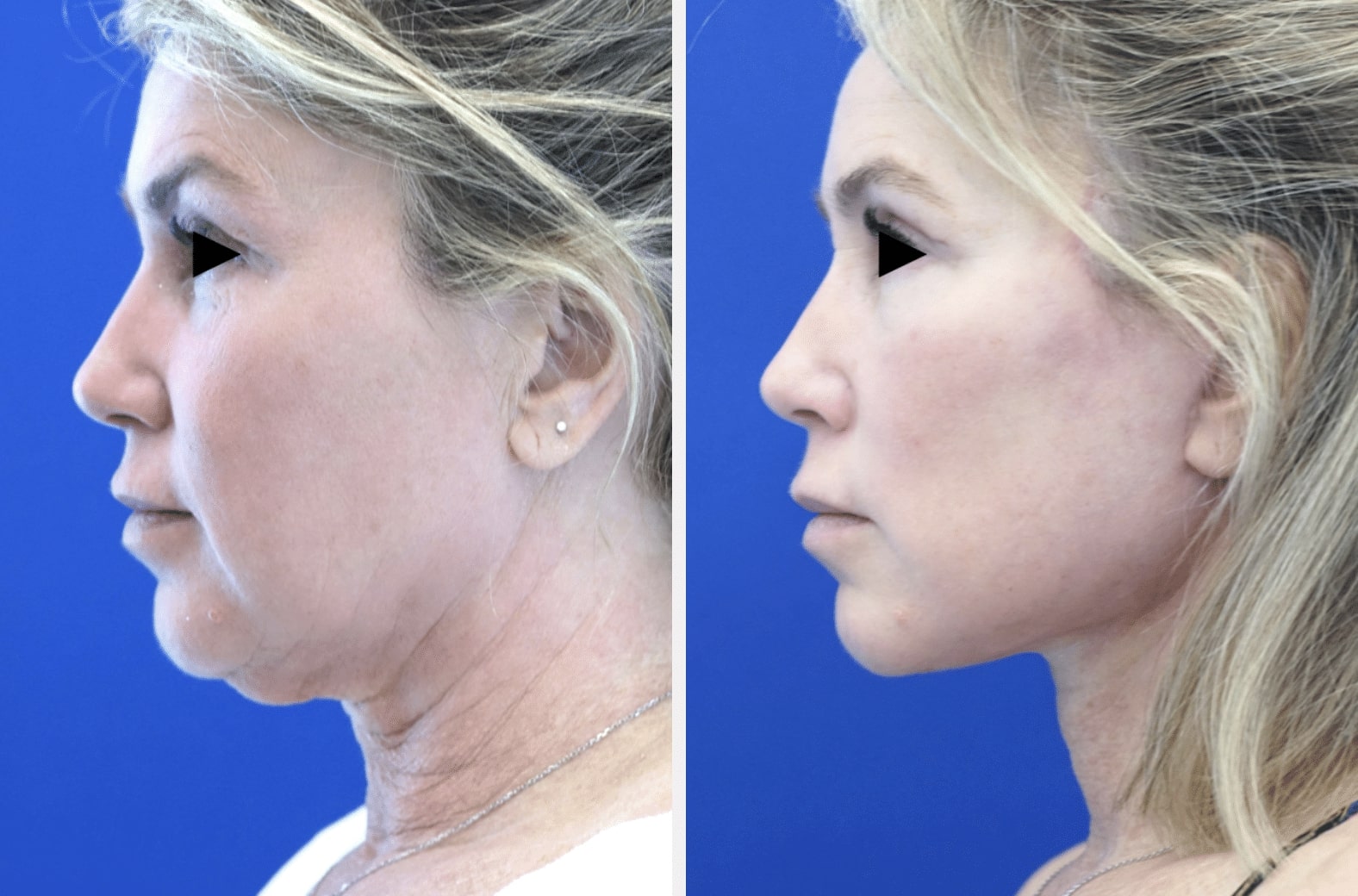
Here the patient is pictured one-year post-op.
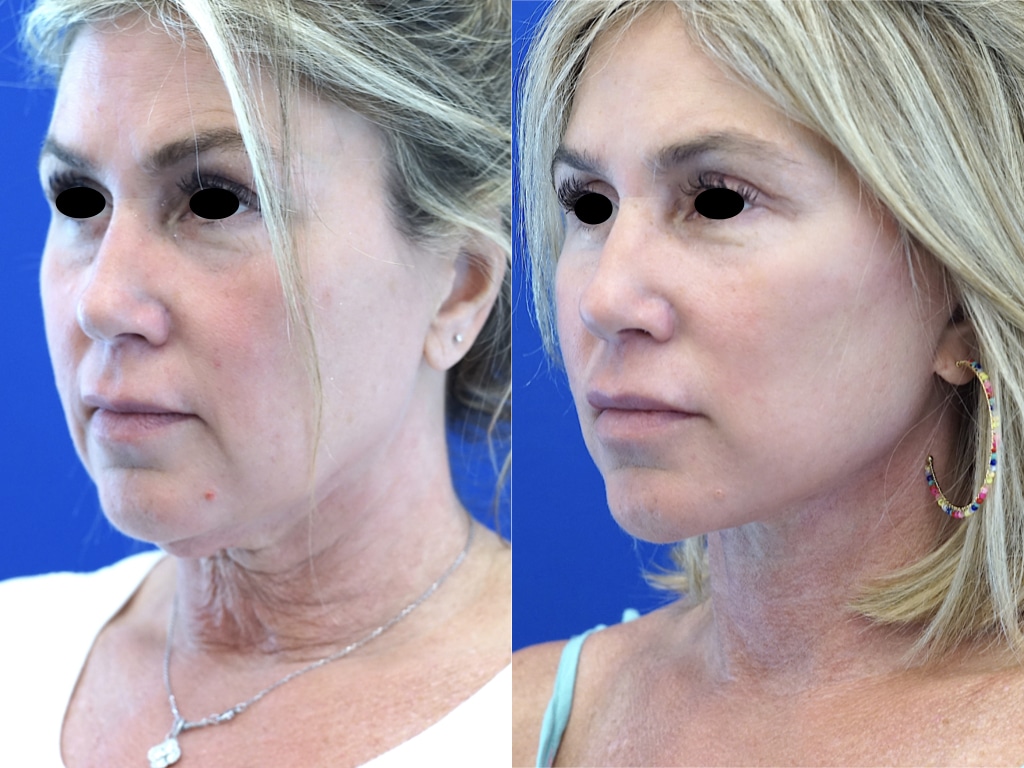
When it comes to loose facial skin and neck muscle nothing rejuvenates better than a deep plane facelift with platysmaplasty. The midline platysma suturing creates a sling or mesh to allow better suspension or lifting of the tissue layer from the side.
*Individual Results May Vary
For a facelift, there are two methods:
Forehead lines will require a forehead lift or brow lift to minimize the horizontal rhytids. Lower eyelid wrinkles may be reduced with lower blepharoplasty. Botox may help with the Crow’s feet region. Just a facelift alone will need to be complemented with these other procedures to improve those areas.
A mini facelift is a short scar, shorter flap elevation, shorter dissection, and shorter procedure duration type of facelift. Generally, this procedure is reserved for the very young (30-40 year old patients) who are beginning to see aging face related changes in the jowls region and looseness of the skin of the midline neck. These procedures are done in the office setting.
After your rhytidectomy, your doctor will wrap the incisions in bandages and may place drainage tubes in the area. The tubes will be taken out the next day, when your hair will be carefully washed. If surgical clips are used to hold the incisions closed, they will be removed one week after the facelift along with your stitches.
At first, you may experience swelling, numbness, bruising, and a feeling of tightness or tension in the face and neck. Your face may look uneven or distorted, and your facial muscles may feel stiff. Most of these usually resolve within 3-6 weeks, and sensation typically returns to normal within a few months. Scars become less red, raised, lumpy or itchy in time.*
Many patients return to work by the third week.* Camouflage cosmetics can be used to minimize the appearance of bruising.
You should be gentle with your skin and hair as you recover. Men may need to shave behind the neck and ears where areas of beard-growing skin have moved.
All the scarring and repositioning of the facial layers are permanent. However, in time the facial soft tissue will descend due to gravity which is why if you are thinking about a facelift already, it’s almost better to do it sooner than later. The younger someone undergoes a facelift the longer the longevity and the quicker the healing.
Results of a facelift do not last forever. You may want to have another procedure in five or ten years. But in another sense, the effects are long-lasting; years later, your face will continue to look better than if you had never had a facelift.*
With a facelift, 10-15 years seem to be a common range. In general the more advanced aging the more dramatic the result. Dr. Mao will always tell his patient: I will make you look your best at your age.
Possible complications of facelift include: bleeding, infection, bruising, uneven swelling or discoloration, allergic reaction to the anesthesia, skin blistering (usually only seen in smokers), and temporary or permanent loss of sensation in the face.* Your doctor will discuss the risks and benefits of a facelift with you before your surgery.
*Individual results may vary.
Achieve a more youthful appearance to your face and enhance your facial features with safe and effective facelift surgery. This surgical option addresses signs of aging by repositioning or removing skin, fat, and muscle. A facelift can correct sagging facial skin, deep creases around the mouth and nose, and excess skin and fat around the neck and chin area. At Mao Facial Plastic Surgery, our board-certified plastic surgeon and team are proud to meet the needs of patients throughout Branford, Cheshire, East Haven, Fairfield, Milford, North Haven, Orange, Shelton, Southport, Weston, Westport, Wilton, Woodbridge, New Canaan, Darien, CT, and the surrounding communities.
To learn more about the Facelift procedures offered by Dr. Johnny Mao, please contact our office at 203-907-0501 to schedule a consultation!
Individual results and recovery vary. Your consultation provides guidance specific to your needs.
Request a ConsultationCase 1568 · Mini Facelift. Individual results vary.
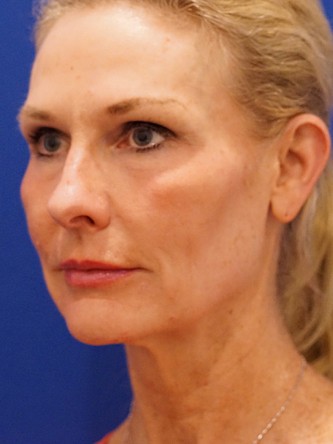
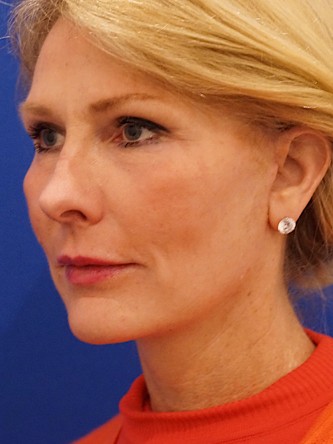
Explore published patient cases related to this treatment at Mao Facial Plastic Surgery. Some cases include multiple procedures; the original case titles and details are retained. Individual results vary.
Patient case · Facelift
View all case photos →Oblique Left: *Individual results may vary.
Patient case · Facelift
View all case photos →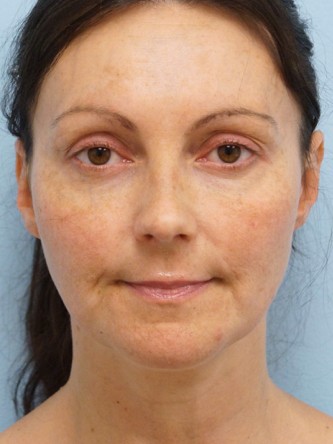
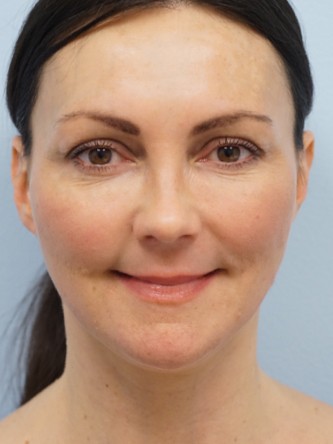
Front: Heart shape face - *Individual results may vary.
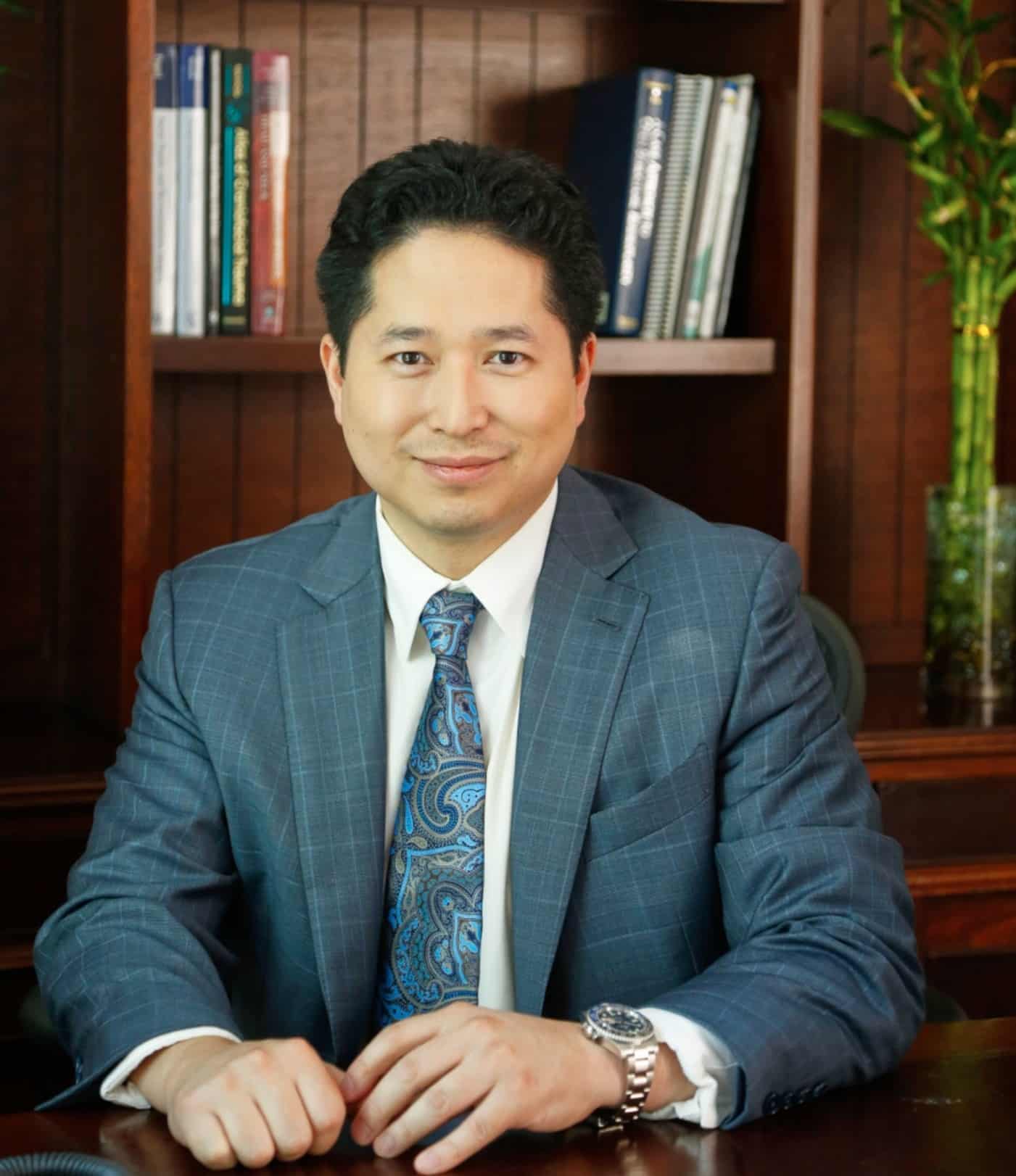
Get to know the surgeon behind Mao Facial Plastic Surgery.
Dr. Johnny Mao’s practice focuses on facial plastic and reconstructive surgery, with surgical and non-surgical options tailored to individual concerns. A consultation is the opportunity to discuss your features, your goals, and the care that may be appropriate for you.
Visit our Orange office to ask questions about treatment options, recovery, and follow-up, and learn more about Dr. Mao’s background and approach to care.
Treatment recommendations based on your anatomy, concerns, and desired outcome — never a one-size-fits-all approach.
Results designed to look natural and harmonious with your existing features rather than overdone.
Clear communication and support before, during, and after treatment so you always know what to expect.
Discuss your concerns and goals in a private, unhurried setting and learn about your options.
Receive a recommended treatment plan with realistic expectations and a clear timeline.
Our team is available throughout your recovery with follow-up visits and guidance.
Explore other options as part of an individualized treatment discussion.
Injectables, fillers, and laser treatments remain available for patients exploring non-surgical care. Your consultation can help clarify which options fit your goals.
Explore Non-Surgical Options/// FIND THE RIGHT INJECTABLE FOR YOU
Welcoming patients from Branford, Cheshire, East Haven, Fairfield, Milford, North Haven, Orange, Shelton, Southport, Weston, Westport, Wilton, Woodbridge, New Canaan, Darien, and surrounding Connecticut communities.
Mao Facial Plastic Surgery 200 S Orange Center Rd
Meet with Dr. Johnny Mao to discuss your aesthetic goals and available facial rejuvenation options.
Request a Consultation Call (203) 907-0501