Neck Lift*
Patient case · Neck Lift
View all case photos →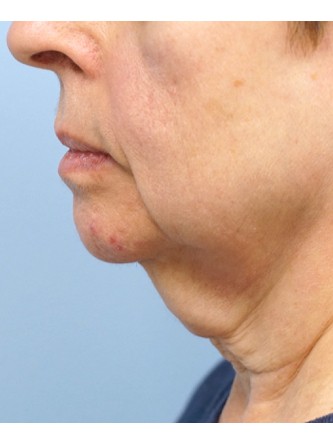
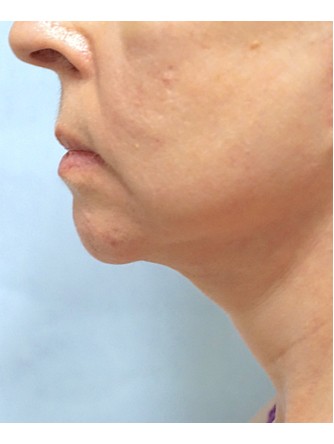
Left: *Individual results may vary.

A personal approach to neck and jawline contours.
Neck lift surgery addresses loose skin and underlying neck contours. At our Orange office, Dr. Mao evaluates the neck together with the lower face to discuss a balanced treatment plan.

A mid-face lift restores youthful vitality to the mid-face, lifting the cheeks and smoothing smile lines to achieve a natural rejuvenated look without the need to undergo a full facelift. Mid-face lifts are ideal for reducing puffiness under the eyes, improving the contour of the upper cheeks, and correcting nasolabial folds. Incisions are small and hidden in the eyelids or in the mouth. Mid-face lifts are often performed in conjunction with lower-lid blepharoplasty to rejuvenate the area around the eyes or with implants to accentuate the cheeks.
A necklift is a surgical procedure that smooths and tightens the neck's skin, which can sag from aging or weight loss. There are usually two components to a necklift: cervicoplasty, which removes excess skin, and platysmaplasty, which removes or tightens muscles in the neck. A necklift can be performed alone or as part of a facelift. A necklift candidate is in good physical and emotional health, and has realistic expectations about the outcome of surgery. The results of a necklift can last up to 10 years.*
A necklift begins with a small, inconspicuous incision directly below the chin (platysmaplasty) and/or in front of the ear lobes, looping behind the ears and ending in the scalp near the back of the neck (cervicoplasty). Sagging skin is trimmed away and lifted during cervicoplasty; loose muscles that cause the "bands" around the neck to be prominent are tightened during platysmaplasty. In some cases, it is necessary to perform only one of the two procedures. Liposuction is sometimes used to remove excess fat; if so, it is performed before the necklift. Incisions are glued and/or sutured closed.
A necklift usually takes 2 to 4 hours to perform, and the patient is given either general anesthesia or local anesthesia with sedation. Most necklifts are performed on an outpatient basis. Bandages covering incisions are removed after a few days; sutures are typically removed after 7 to 10 days.
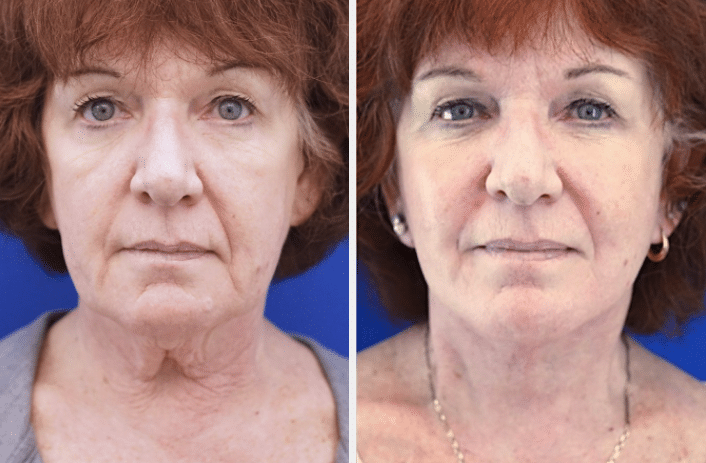
Swelling and bruising from a necklift can last up to 10 days.* Applying cold compresses and keeping the head elevated for the first 48 hours following surgery minimizes swelling. Keeping the head still, and avoiding turning or twisting it for the first few days post-surgery, is recommended. Medication is prescribed to help alleviate discomfort.
Most people return to work and other normal daily activities within 2 weeks, after which bruising and swelling have subsided.* More strenuous activities should be avoided for 4 to 6 weeks.
Although rare, possible risks and complications of a necklift include the following:
A more serious complication, also rare, is facial nerve damage that can lead to muscle paralysis.
*Individual results may vary.
If you're interested in learning more about midface lifts & neck lifts, please contact us for a consultation with Dr. Mao at (203) 907-0501 or fill out our contact us form below. We will discuss your needs and concerns, and determine your best course of action.
Individual results and recovery vary. Your consultation provides guidance specific to your needs.
Request a ConsultationExplore published patient cases related to this treatment at Mao Facial Plastic Surgery. Some cases include multiple procedures; the original case titles and details are retained. Individual results vary.
Patient case · Neck Lift
View all case photos →Left: *Individual results may vary.
Patient case · Neck Lift
View all case photos →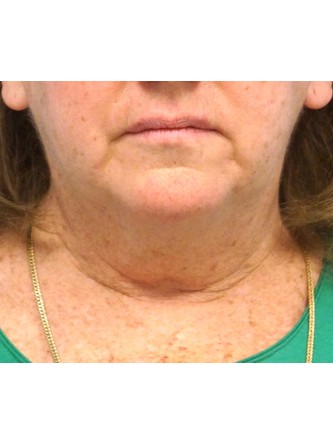
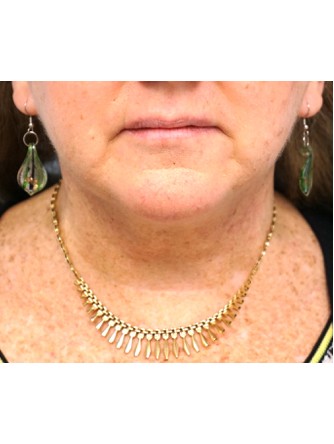
Front: *Individual results may vary.
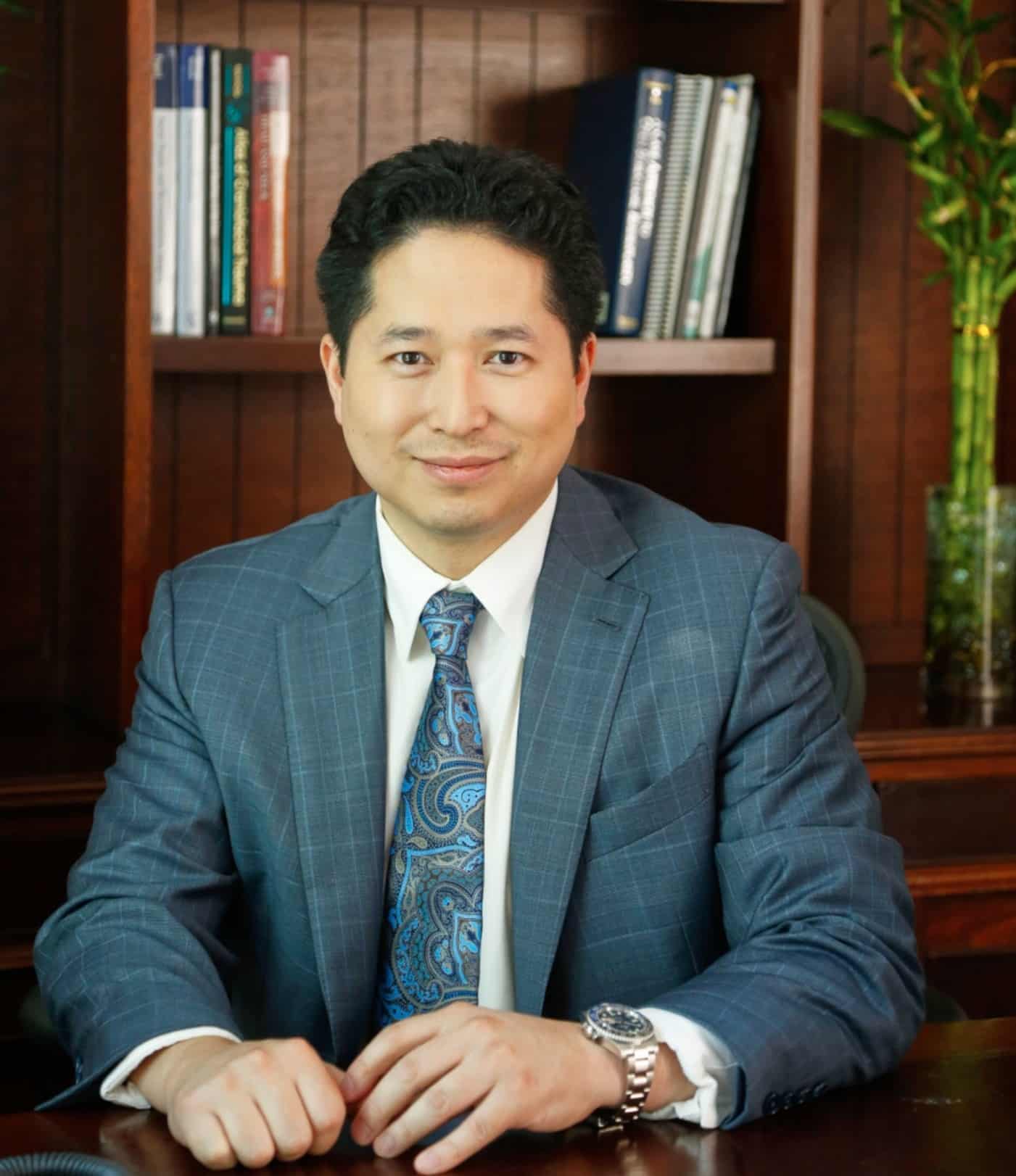
Get to know the surgeon behind Mao Facial Plastic Surgery.
Dr. Johnny Mao’s practice focuses on facial plastic and reconstructive surgery, with surgical and non-surgical options tailored to individual concerns. A consultation is the opportunity to discuss your features, your goals, and the care that may be appropriate for you.
Visit our Orange office to ask questions about treatment options, recovery, and follow-up, and learn more about Dr. Mao’s background and approach to care.
Treatment recommendations based on your anatomy, concerns, and desired outcome — never a one-size-fits-all approach.
Results designed to look natural and harmonious with your existing features rather than overdone.
Clear communication and support before, during, and after treatment so you always know what to expect.
Discuss your concerns and goals in a private, unhurried setting and learn about your options.
Receive a recommended treatment plan with realistic expectations and a clear timeline.
Our team is available throughout your recovery with follow-up visits and guidance.
Explore other options as part of an individualized treatment discussion.
Injectables, fillers, and laser treatments remain available for patients exploring non-surgical care. Your consultation can help clarify which options fit your goals.
Explore Non-Surgical Options/// FIND THE RIGHT INJECTABLE FOR YOU
Welcoming patients from Branford, Cheshire, East Haven, Fairfield, Milford, North Haven, Orange, Shelton, Southport, Weston, Westport, Wilton, Woodbridge, New Canaan, Darien, and surrounding Connecticut communities.
Mao Facial Plastic Surgery 200 S Orange Center Rd
Meet with Dr. Johnny Mao to discuss your aesthetic goals and available facial rejuvenation options.
Request a Consultation Call (203) 907-0501