Rhinoplasty
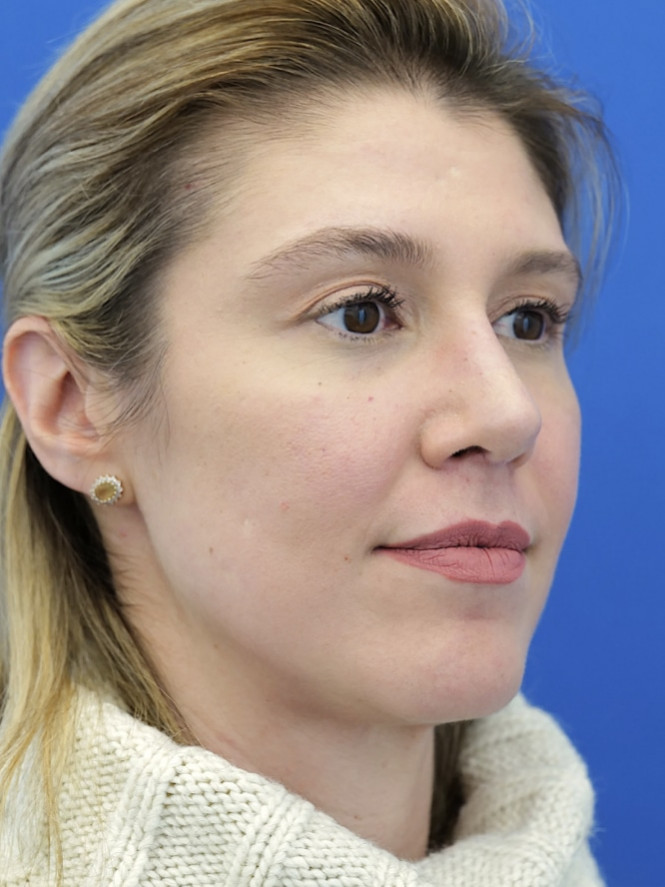
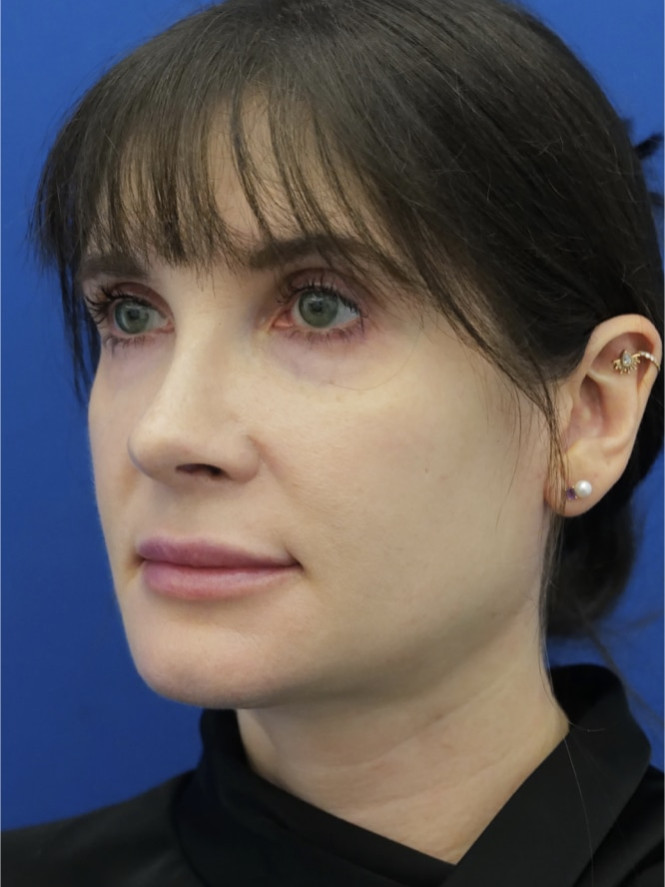
Case 6903 · Dorsal Hump and Finesse Tip
View case details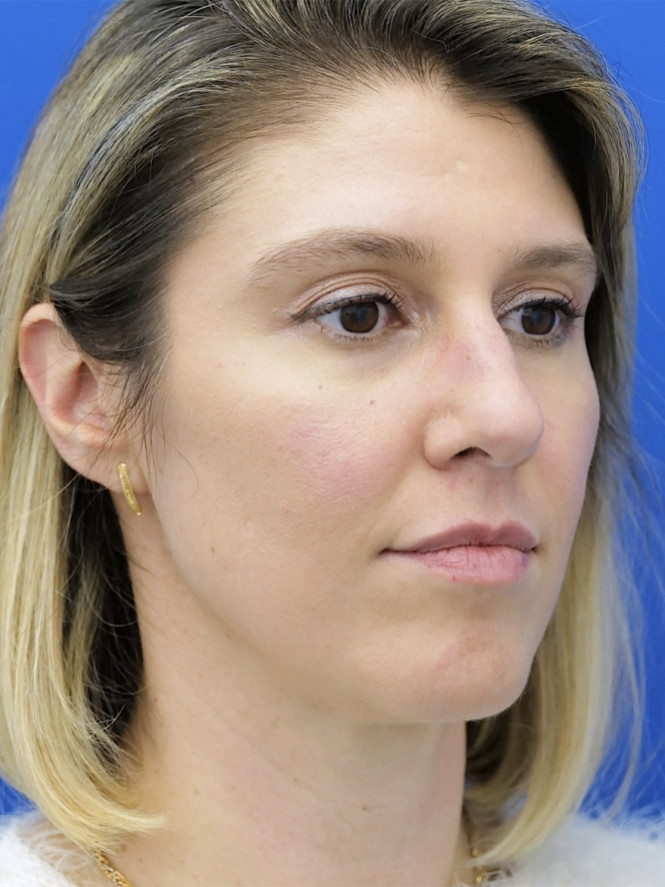

Facial plastic surgery is a decision that many individuals consider at various points in their lives. With so many factors influencing the choice, it’s not surprising to wonder if there’s an ideal age to undergo such procedures. Let’s explore the considerations around age and facial plastic surgery.
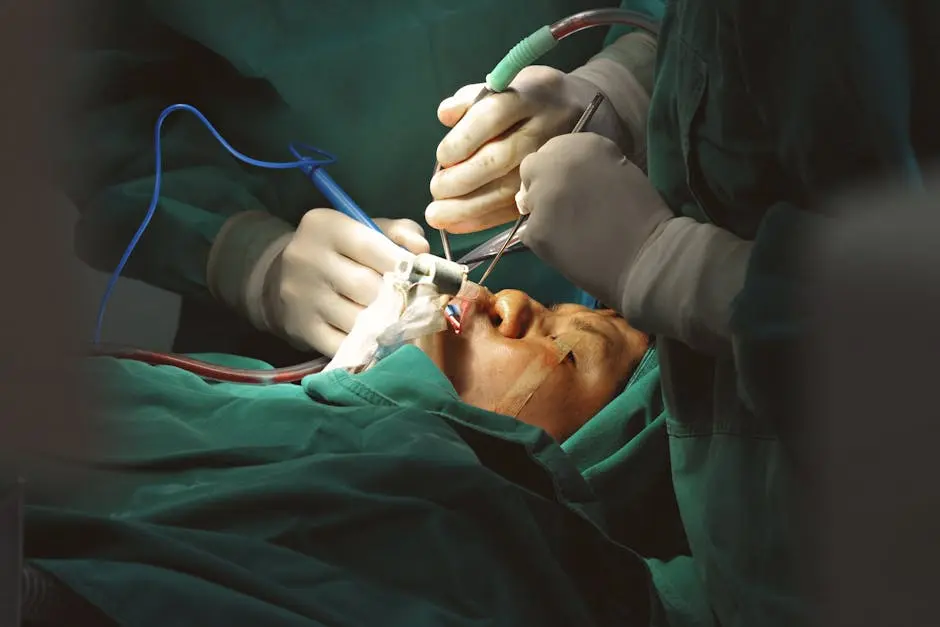
Facial plastic surgery encompasses a range of procedures, from facelifts to rhinoplasty. Understanding what these surgeries entail is the first step in making informed decisions about when to pursue them.
These surgeries can enhance not only appearance but also self-esteem. The transformation can lead to newfound confidence, as many individuals find that addressing facial concerns can impact their social and professional lives.
It’s essential to do thorough research and educate oneself on the various options available. Each procedure has its own nuances, and comprehending these may significantly influence timing and selection.
As we age, our skin undergoes changes in elasticity and volume. This section discusses how aging impacts facial appearance, making it relevant to consider age when planning surgery.
Diminished collagen production leads to sagging skin and deeper wrinkles, while loss of fat can create a gaunt appearance. Understanding these changes helps individuals know when to consider procedures to fight those effects.
Moreover, the timing of surgery can affect the results. Younger skin typically heals quicker and may yield more vibrant, lasting results than skin that has more extensive aging signs.
Different procedures may have different ideal age ranges. For instance, younger candidates might consider rhinoplasty, while facelifts may be more common in those over 40. This section outlines age recommendations for various surgeries.
Specifically, rhinoplasty is often ideal for teens or young adults, as facial structures are still developing. Conversely, individuals in their 50s or 60s may be more suited for procedures like a facelift, as they will have experienced more noticeable aging.
Furthermore, eyelid surgery, another popular procedure, is typically appropriate later in life when gravity and aging have taken more significant effects, often beginning in the 40s.
While age is a factor, personal health, skin condition, and emotional readiness are equally important. This section highlights the need to evaluate these factors when deciding on surgery.
For example, an individual’s specific health conditions can significantly influence surgical complications. It’s not uncommon for younger patients to be healthier but may still not be emotionally prepared for the changes surgery brings.
Additionally, skin quality varies dramatically among individuals at the same age. Factors like sun exposure, lifestyle choices, and genetic predispositions all play integral roles in determining the right timing for surgery.
Only a qualified surgeon can provide tailored advice based on your unique situation. This section emphasizes the importance of consulting with a professional to assess your readiness for plastic surgery.
A consultation helps establish realistic expectations and a personalized plan. Surgeons can evaluate your facial structure, skin health, and even emotional readiness—helping you understand when the time might be right for you.
Moreover, ongoing discussions about changes can assist in maintaining a proactive approach to skincare and cosmetic procedures, ensuring that your choices align perfectly with your evolving self-image.
Ultimately, the decision to undergo facial plastic surgery should be personalized. While age can play a role, it’s crucial to focus on individual goals, health, and professional advice. Consult with a qualified surgeon to determine what’s best for you.
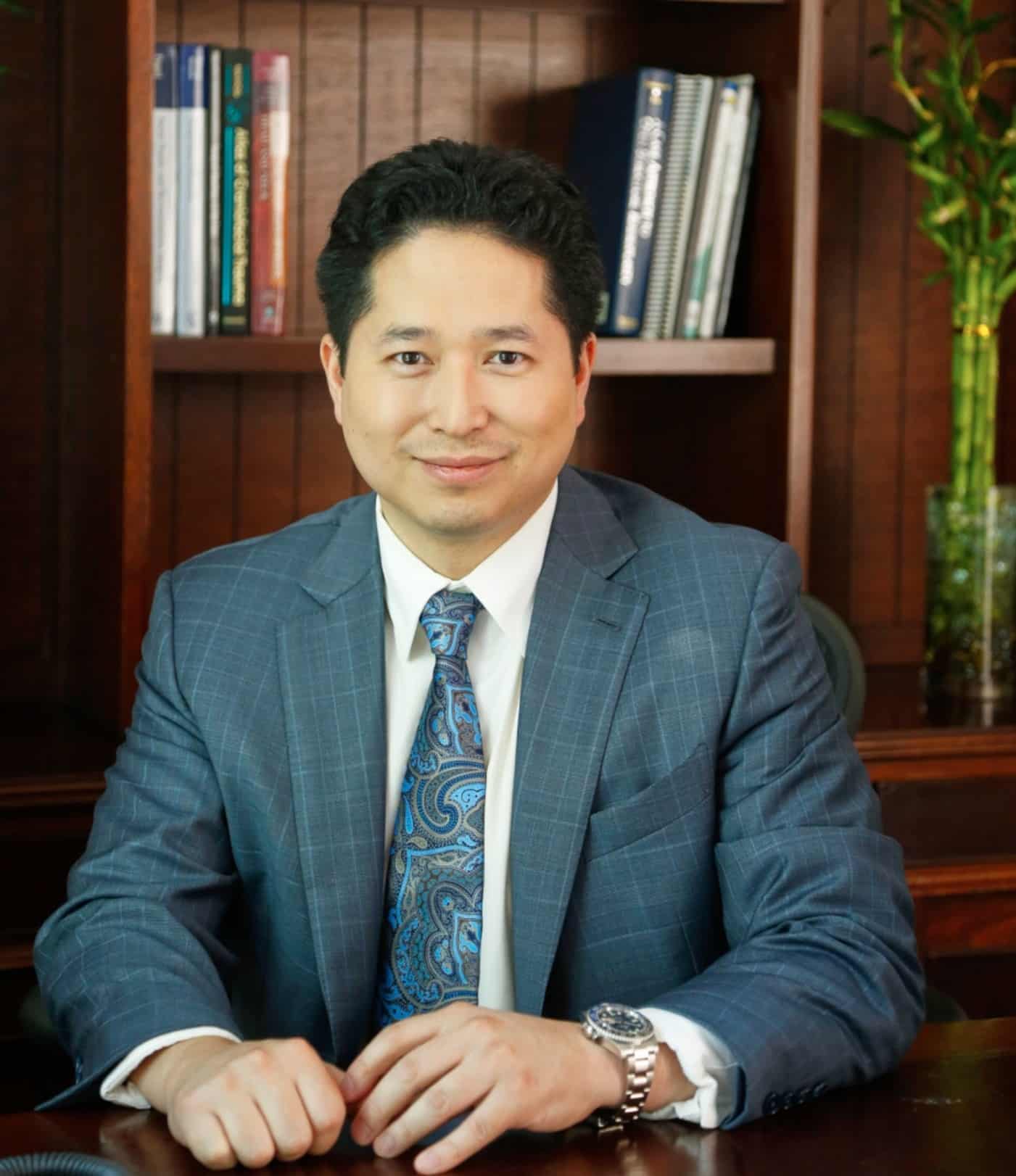
Get to know the surgeon behind Mao Facial Plastic Surgery.
Dr. Johnny Mao’s practice focuses on facial plastic and reconstructive surgery, with surgical and non-surgical options tailored to individual concerns. A consultation is the opportunity to discuss your features, your goals, and the care that may be appropriate for you.
Visit our Orange office to ask questions about treatment options, recovery, and follow-up, and learn more about Dr. Mao’s background and approach to care.
Treatment recommendations based on your anatomy, concerns, and desired outcome — never a one-size-fits-all approach.
Results designed to look natural and harmonious with your existing features rather than overdone.
Clear communication and support before, during, and after treatment so you always know what to expect.
Discuss your concerns and goals in a private, unhurried setting and learn about your options.
Receive a recommended treatment plan with realistic expectations and a clear timeline.
Our team is available throughout your recovery with follow-up visits and guidance.
Selected by Dr. Mao. Explore these featured transformations, then discover more patient results in our full gallery.
Showing 12 featured cases
A selection of Dr. Mao's patient results. Browse the full gallery for more before-and-after photos by procedure.
Case 6903 · Dorsal Hump and Finesse Tip
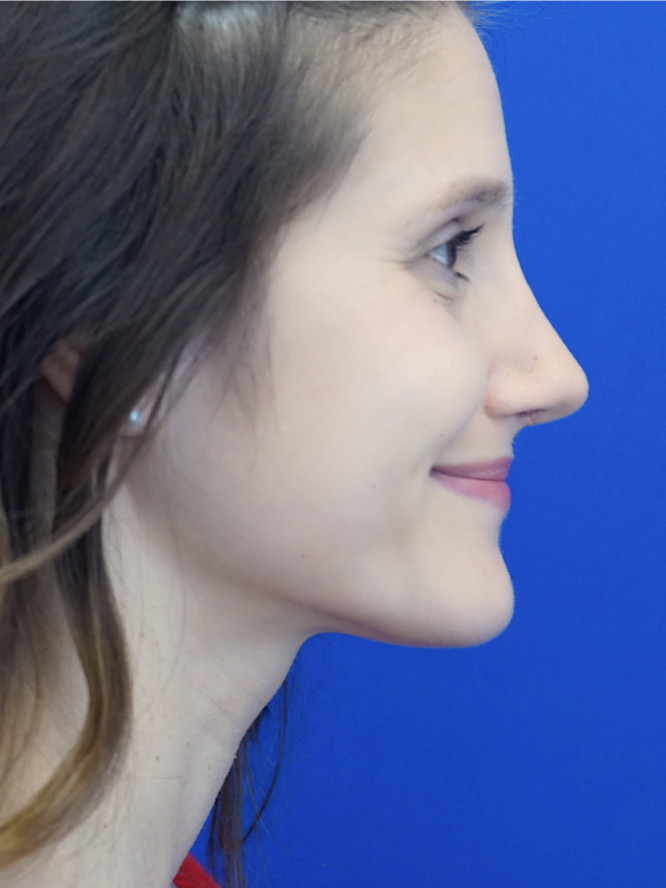
View case detailsCase 3291 · Nasal Profile Bliss
View case details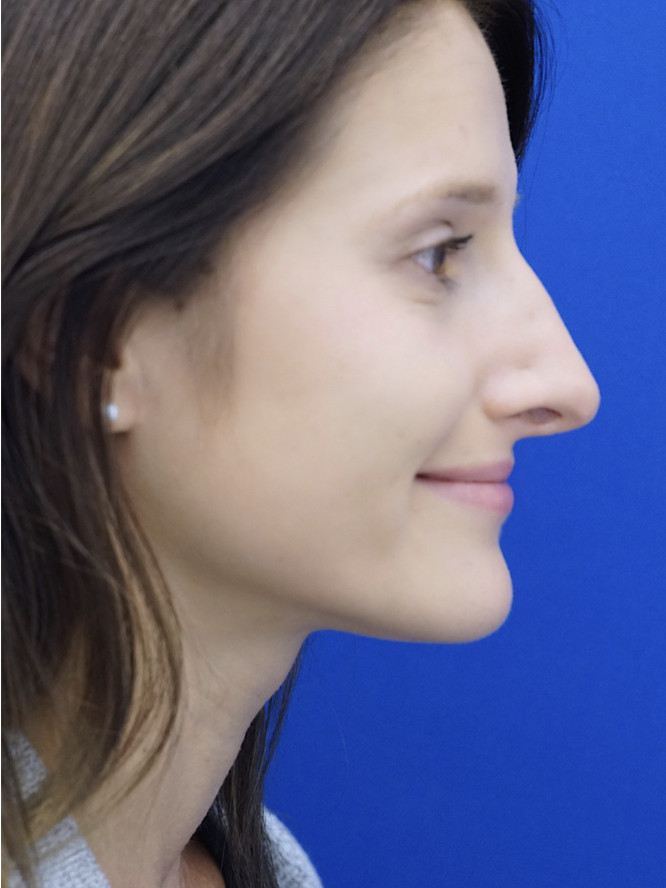
Case 6821 · Deep Plane Lower Facelift
View case details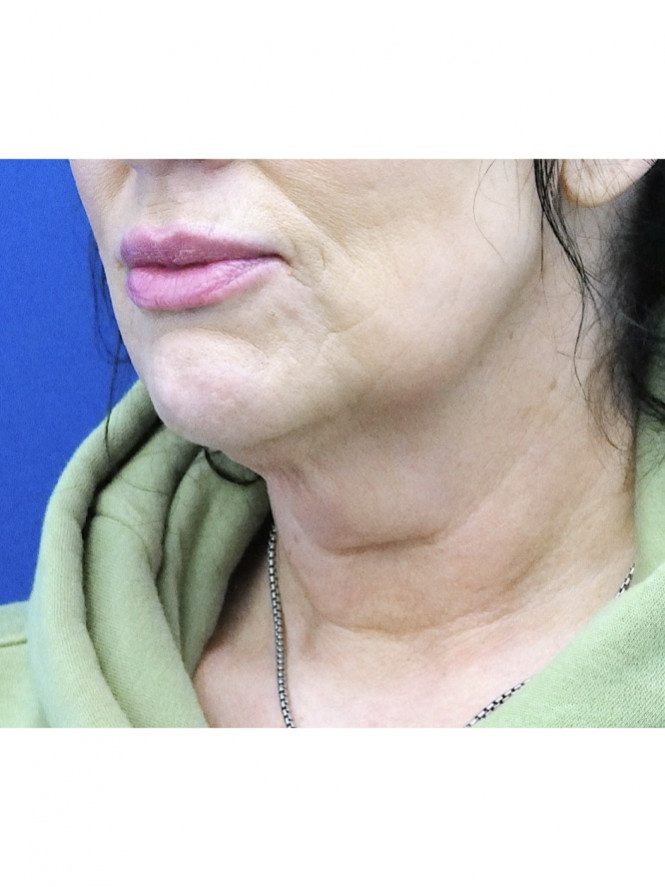
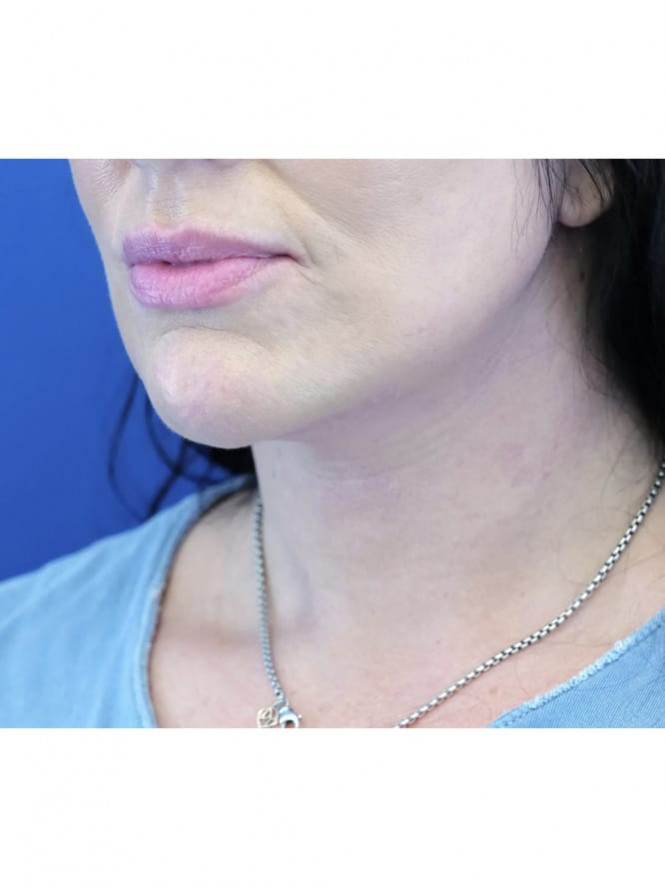
Case 5704 · Fantastic Facial Profile
View case details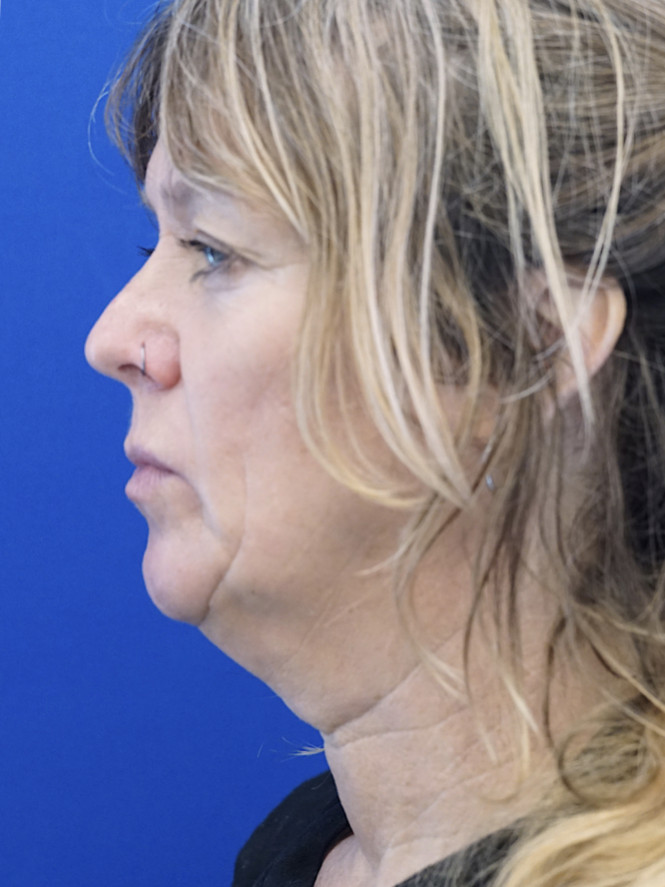
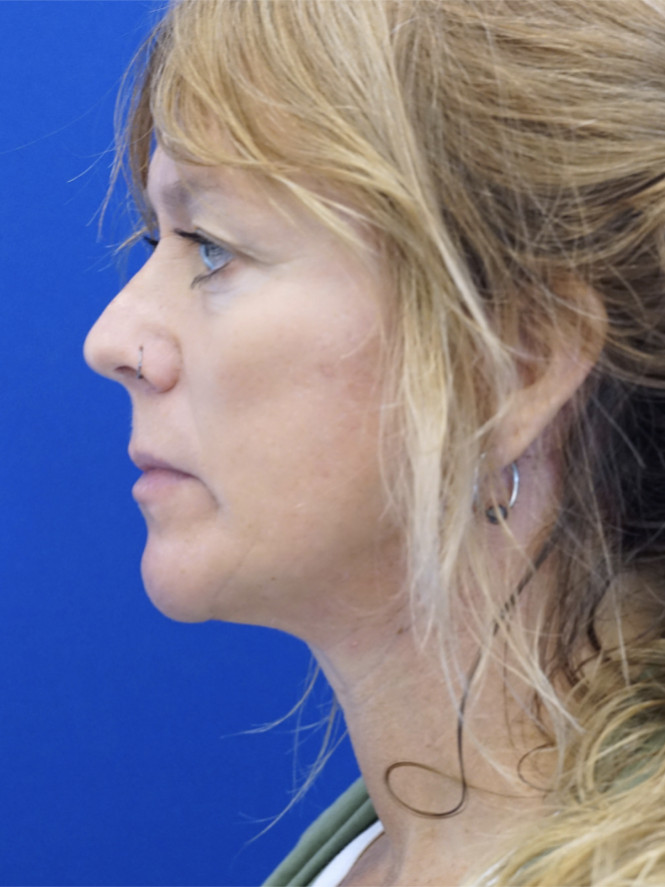
Case 7154 · Natural Result
View case details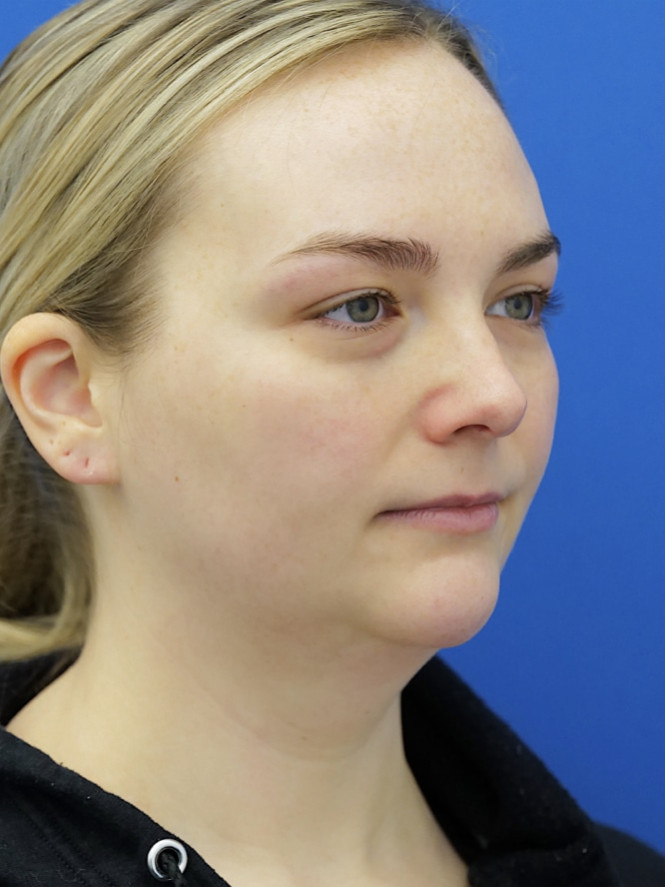
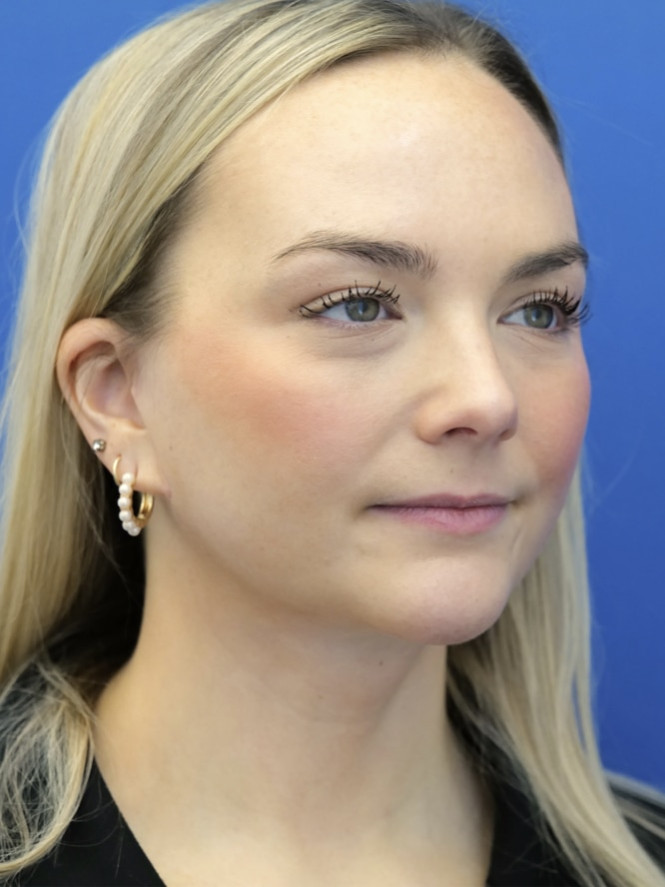
Case 6868 · Brow Fat Suspension
View case details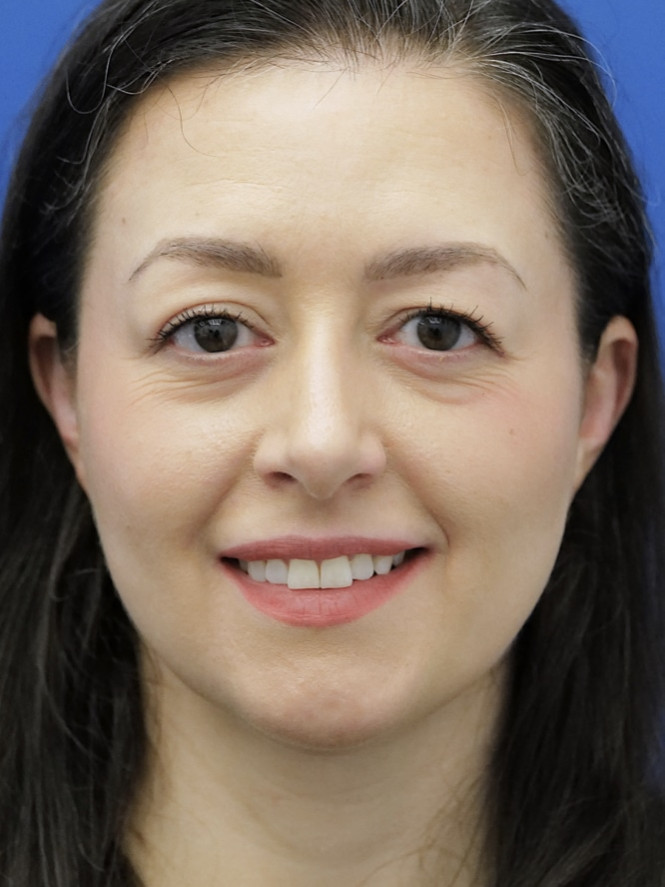
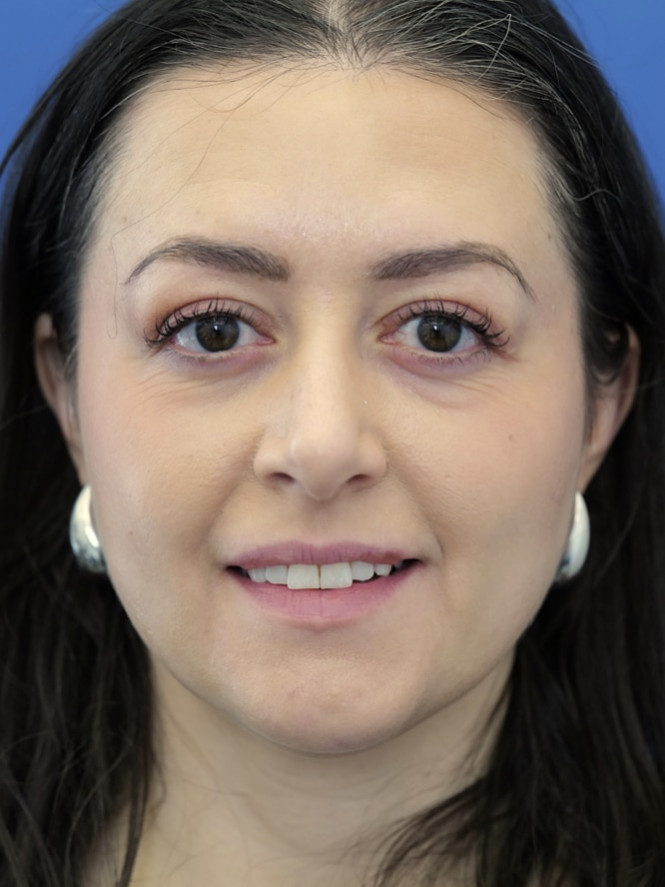
Case 7252 · Lower Lid Fat Reposition
View case details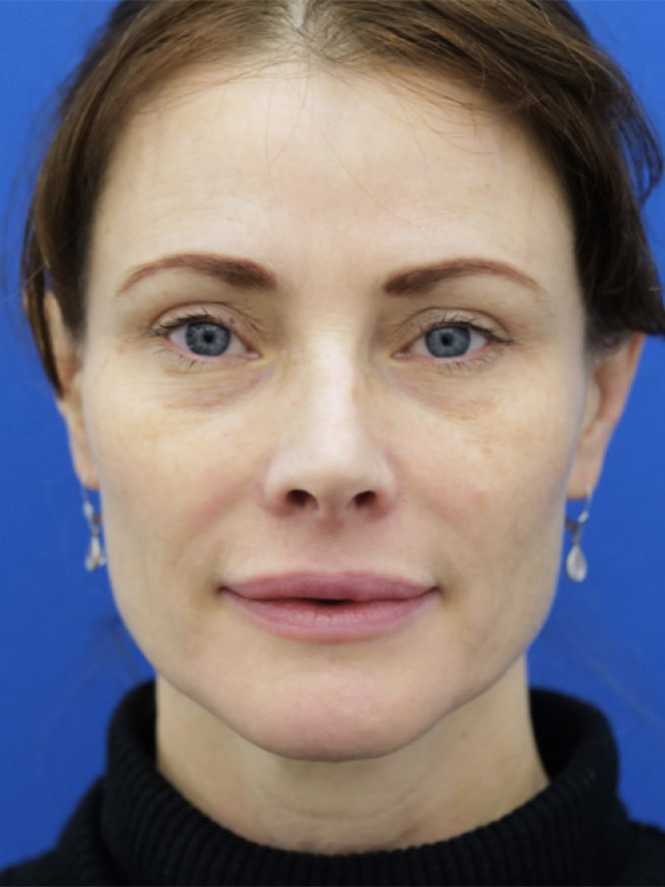
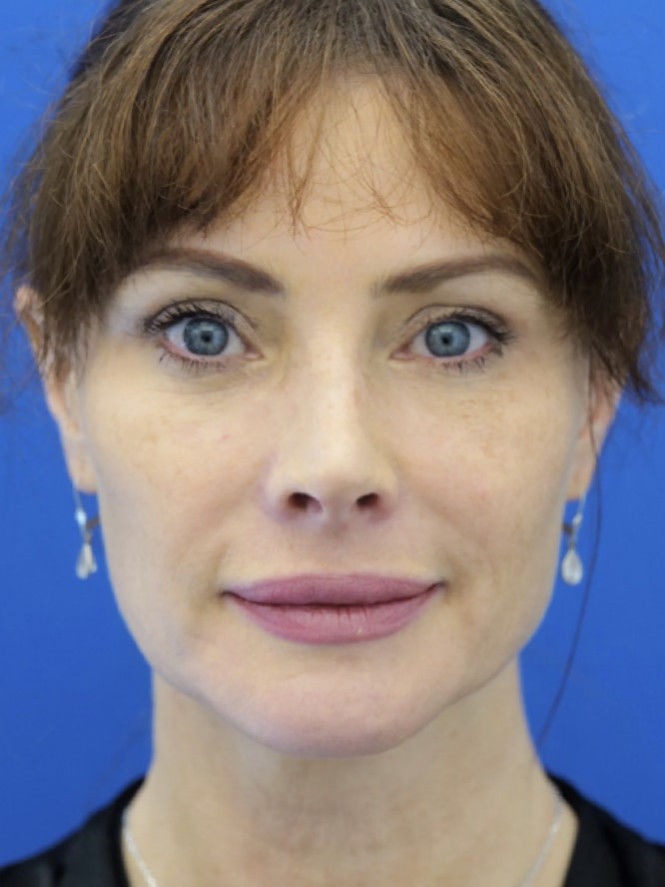
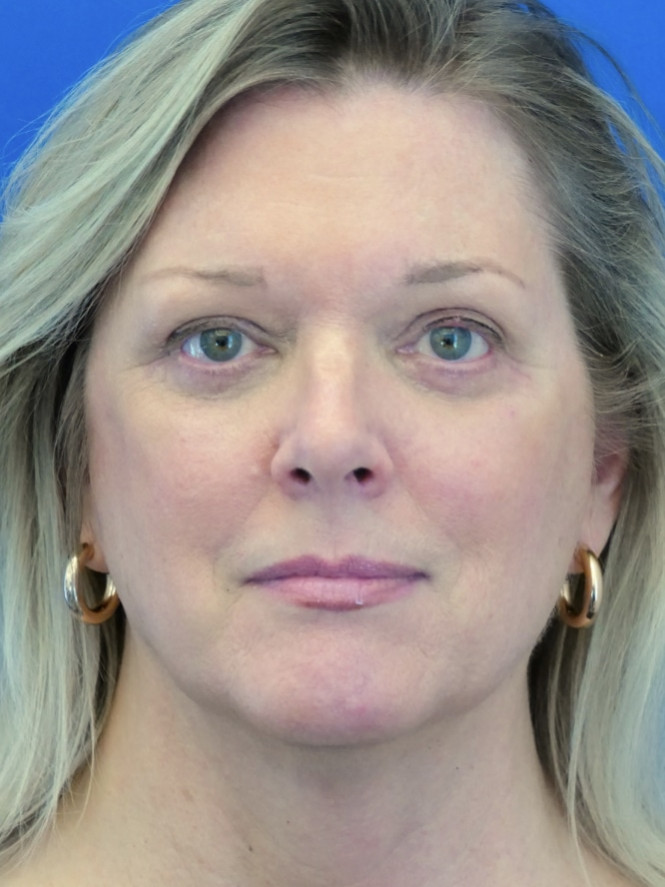
Case 6655 · Endoscopic Browlift, Quad Blepharoplasty
View case details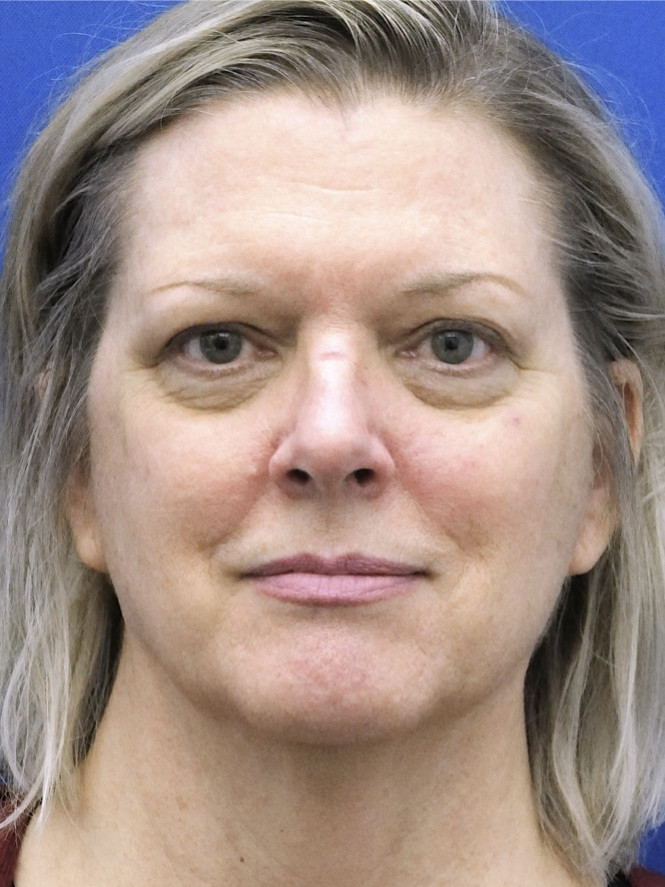
Case 2323 · Vertical Lengthening Chin*
View case details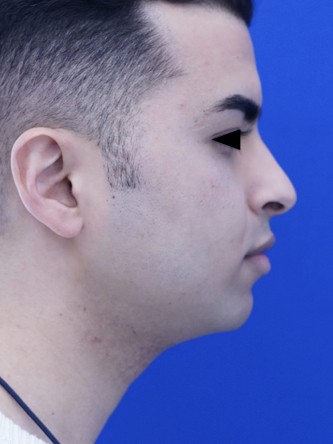
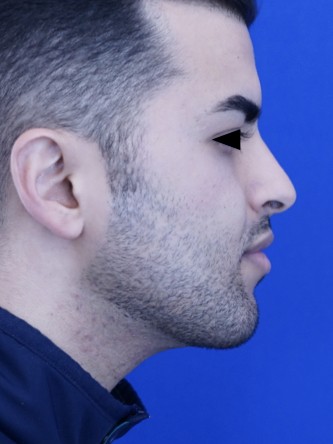
Case 6966 · Ridge Creation and Setback
View case details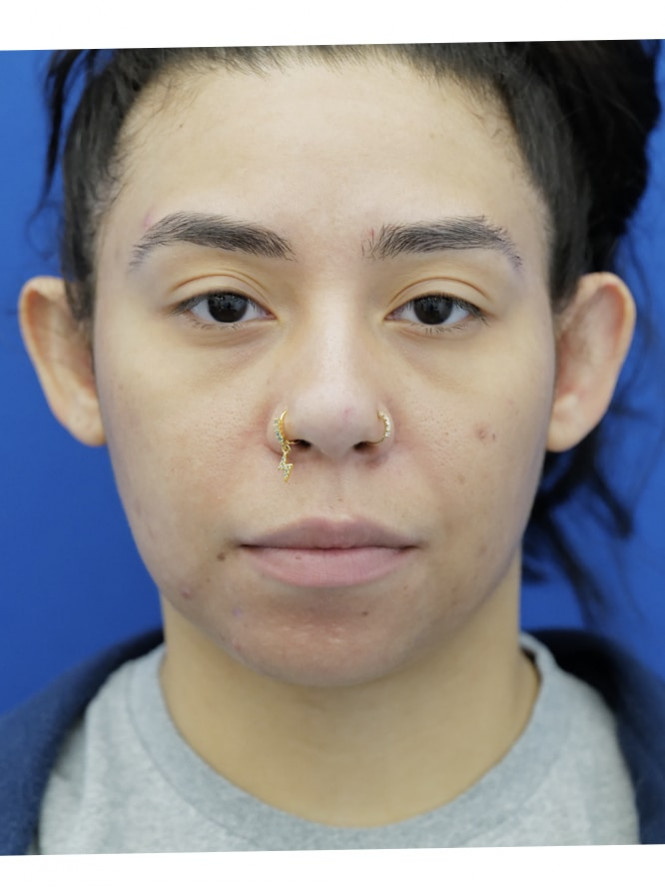
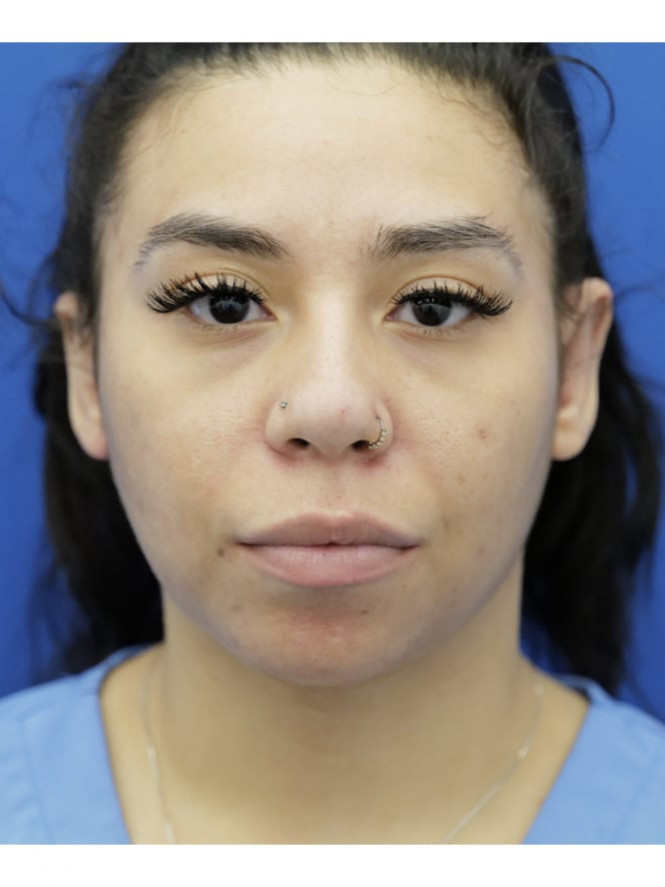
Case 7561 · Awesome Jawline
View case details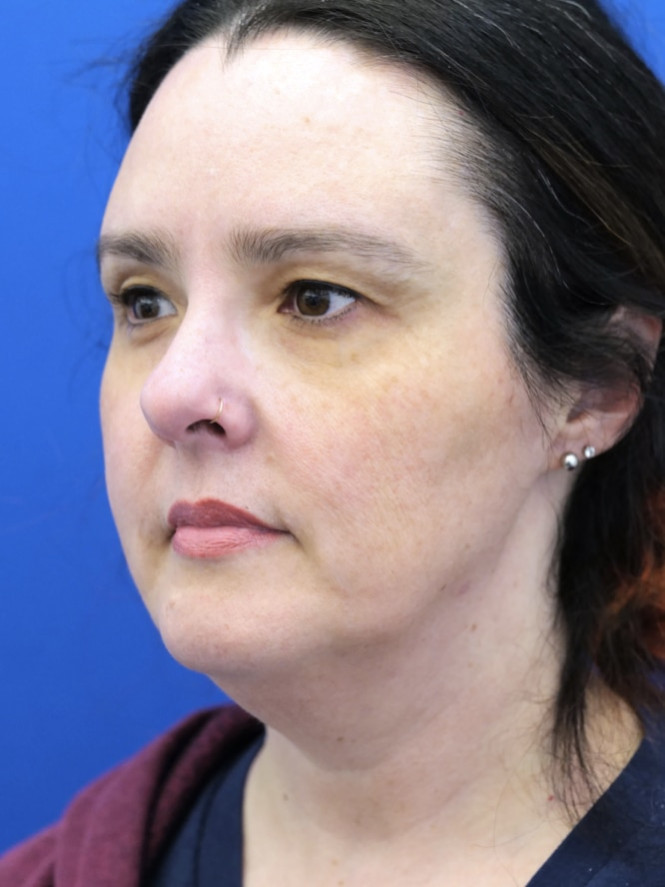
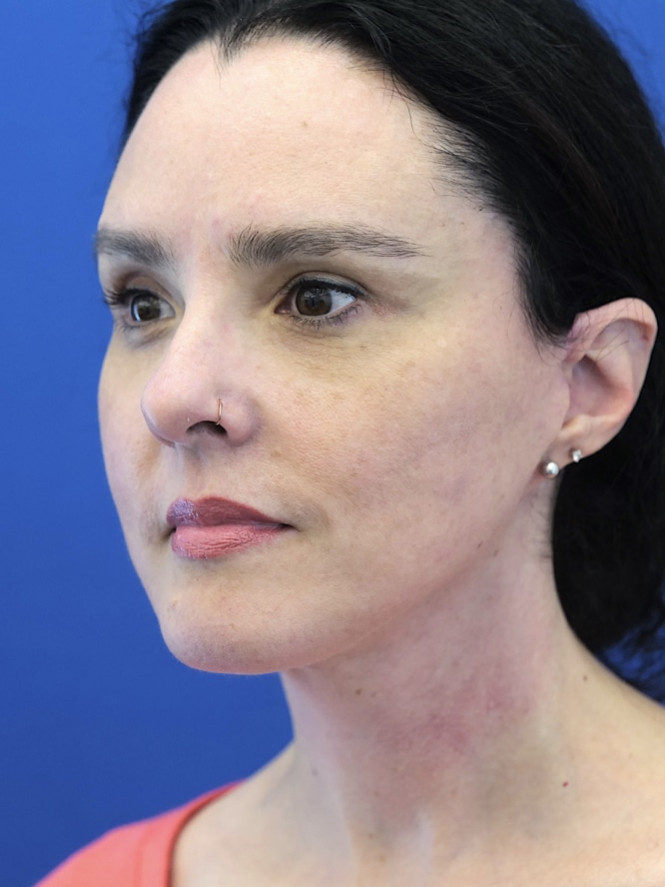
Case 7566 · Preserving Tip Surface Aesthetics
View case details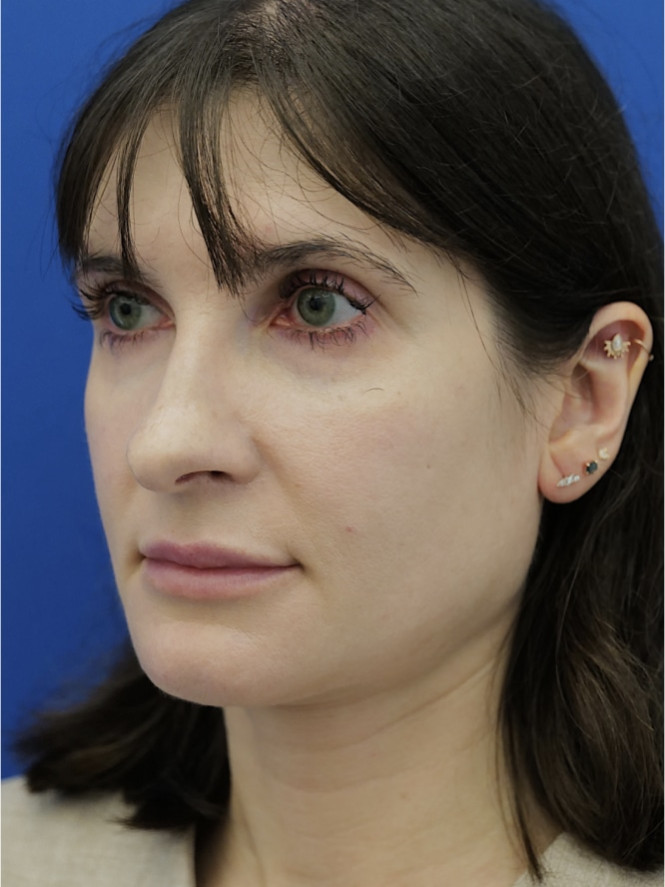
Individual results vary.
Explore other options as part of an individualized treatment discussion.
Injectables, fillers, and laser treatments remain available for patients exploring non-surgical care. Your consultation can help clarify which options fit your goals.
Explore Non-Surgical Options/// FIND THE RIGHT INJECTABLE FOR YOU
Read patient feedback published by the practice and on independent review platforms.
Patient feedback includes experiences with facelift, rhinoplasty, eyelid surgery, otoplasty, and revision procedures.
Read practice testimonialsPublished feedback also covers injectable treatments, liquid rhinoplasty, BOTOX®, fillers, and laser services.
Read practice testimonialsVisit Dr. Mao's RealSelf profile for additional patient reviews and procedure information.
View RealSelf reviewsWelcoming patients from Branford, Cheshire, East Haven, Fairfield, Milford, North Haven, Orange, Shelton, Southport, Weston, Westport, Wilton, Woodbridge, New Canaan, Darien, and surrounding Connecticut communities.
Mao Facial Plastic Surgery 200 S Orange Center Rd
Meet with Dr. Johnny Mao to discuss your aesthetic goals and available facial rejuvenation options.
Request a Consultation Call (203) 907-0501