Rhinoplasty
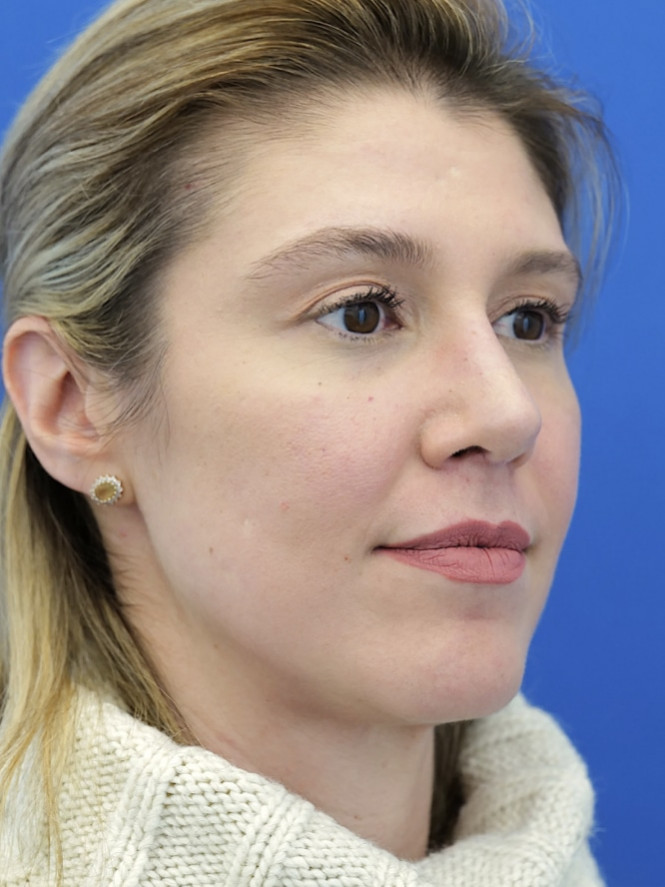
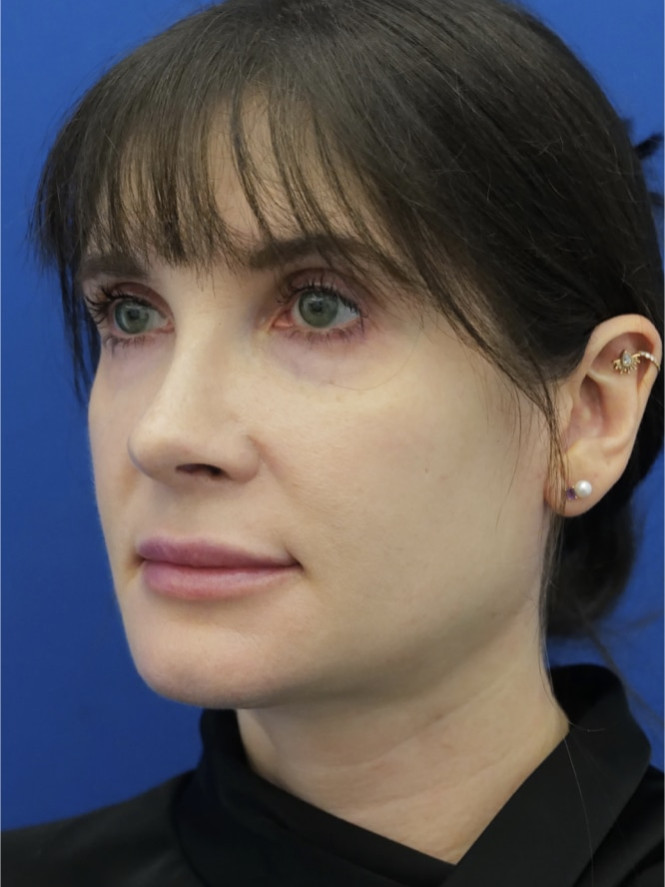
Case 6903 · Dorsal Hump and Finesse Tip
View case details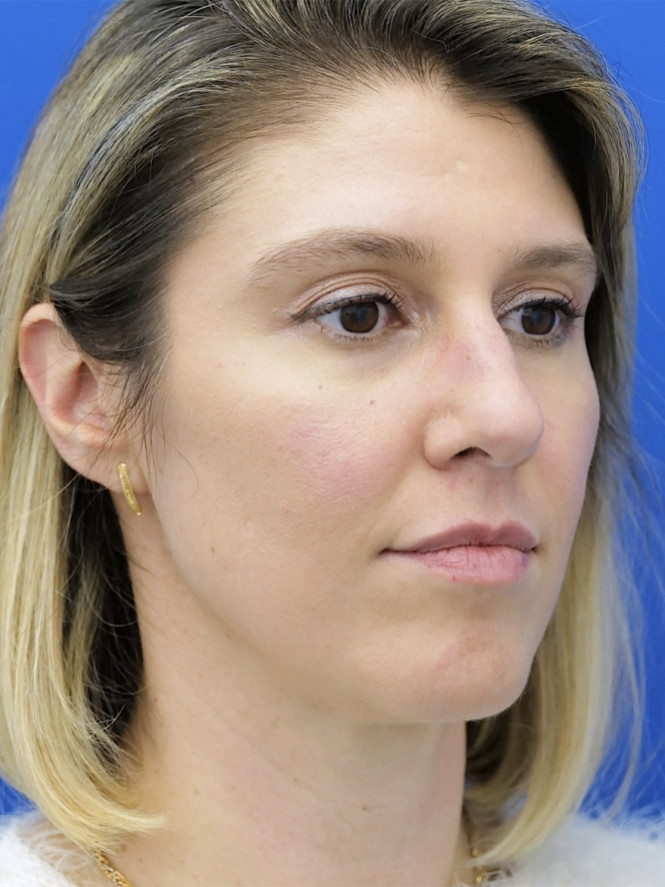

When considering rhinoplasty, it’s essential to come prepared with the right questions for your surgeon. This consultation is your opportunity to ensure you fully understand the procedure, the surgeon’s expertise, and how the surgery can meet your expectations. Here are some key questions to guide your conversation.
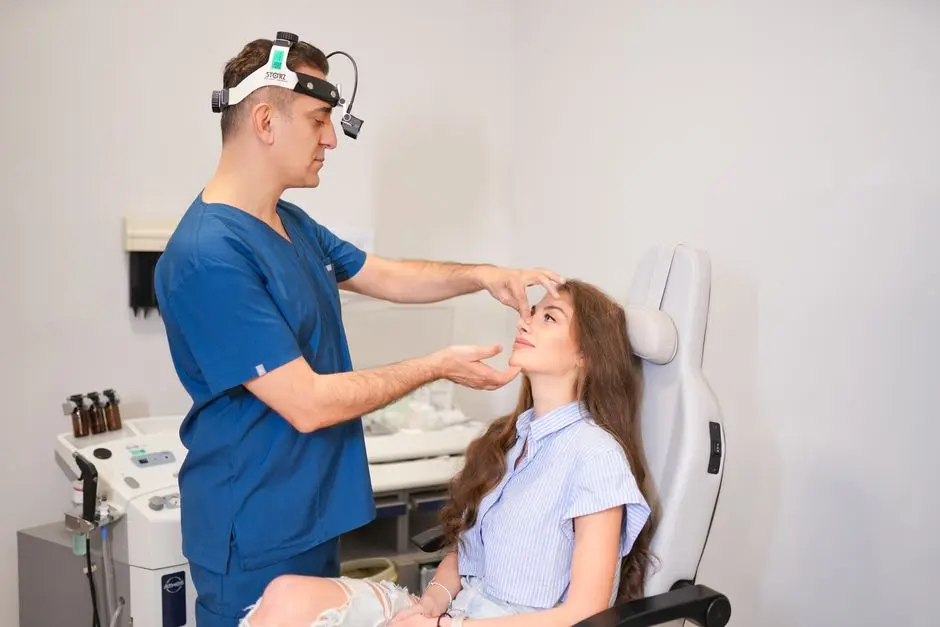
Understanding your surgeon’s background and experience with rhinoplasty will help establish their credibility and expertise.
It’s important to ask how many rhinoplasty procedures they perform each year. A surgeon who regularly performs this surgery is likely to be more skilled and knowledgeable.
Additionally, inquire about their educational background and any specialized training in facial plastic surgery. This can give you insight into their qualifications and approach.
Don’t hesitate to ask about their complication rates. A good surgeon should be open and honest about their outcomes.
Reviewing before and after photos can give you a realistic idea of what to expect and help you visualize the potential outcomes.
When reviewing these photos, pay attention to patients whose nasal structures are similar to yours. This will provide you with a better understanding of the results you might achieve.
Ask the surgeon about specific cases they feel demonstrate their skill effectively. Understanding their artistry will help you align your expectations.
Keep in mind that everyone’s results will vary based on individual anatomy and healing processes. The images should serve as a guideline, not a guarantee.
Inquiring about the specific techniques your surgeon uses can help you understand their approach and whether it aligns with your desires.
There are two common types of rhinoplasty: open and closed. You may want to ask which one they prefer and why, as each has its own benefits.
Also, discuss whether your surgeon uses advanced techniques like computer imaging or 3D modeling. These tools can play a significant role in planning your surgery.
Understanding their methodology will provide you with insight into how they achieve desired results and help ensure you feel comfortable with their process.
Every surgical procedure has risks. Knowing the potential complications will help you make an informed decision.
Your surgeon should explain common risks associated with rhinoplasty, such as bleeding, infection, or dissatisfaction with the results. Don’t shy away from these discussions.
Inquire about how often these complications occur in their practice. A skilled surgeon will have protocols in place to minimize risks.
Understanding these aspects will help you weigh the benefits against the risks and ensure you are prepared for the journey ahead.
Understanding the timeline and expectations for recovery can help you plan your post-surgery care and activities.
Ask your surgeon about the typical recovery duration and when you can expect to return to normal activities. This varies from patient to patient, so it’s worth tailoring the information to your life.
Moreover, discuss any pain management strategies and what medications may be prescribed to help ease discomfort during recovery.
Your surgeon should provide insight on what to expect in terms of swelling, bruising, and when you can see the final results of your surgery.
Exploring alternative treatments or less invasive options might be beneficial if you’re unsure about surgery.
Ask your surgeon if non-surgical rhinoplasty options exist, such as fillers, that can help you achieve certain aesthetic goals without going under the knife.
Understanding the pros and cons of both surgical and non-surgical procedures is essential to making an informed choice.
Your surgeon may also recommend alternative treatments that focus on enhancing facial balance or addressing specific concerns you have about your nose.
It’s important to know the full cost of the procedure, including any hidden fees for anesthesia, facility charges, and follow-up visits.
Ask for a detailed breakdown of the costs associated with your rhinoplasty. This transparency can help you avoid any unpleasant financial surprises down the line.
Furthermore, inquire about payment plans or financing options. Many surgeons offer flexible payment arrangements to accommodate various budgets.
It’s also vital to understand how your insurance may factor into the procedure’s cost, especially if you’re undergoing rhinoplasty for medical reasons.
Asking these questions will help you feel more confident in your decision and ensure that you find the right rhinoplasty surgeon for your needs. Take your time, do your research, and prioritize your safety and satisfaction.
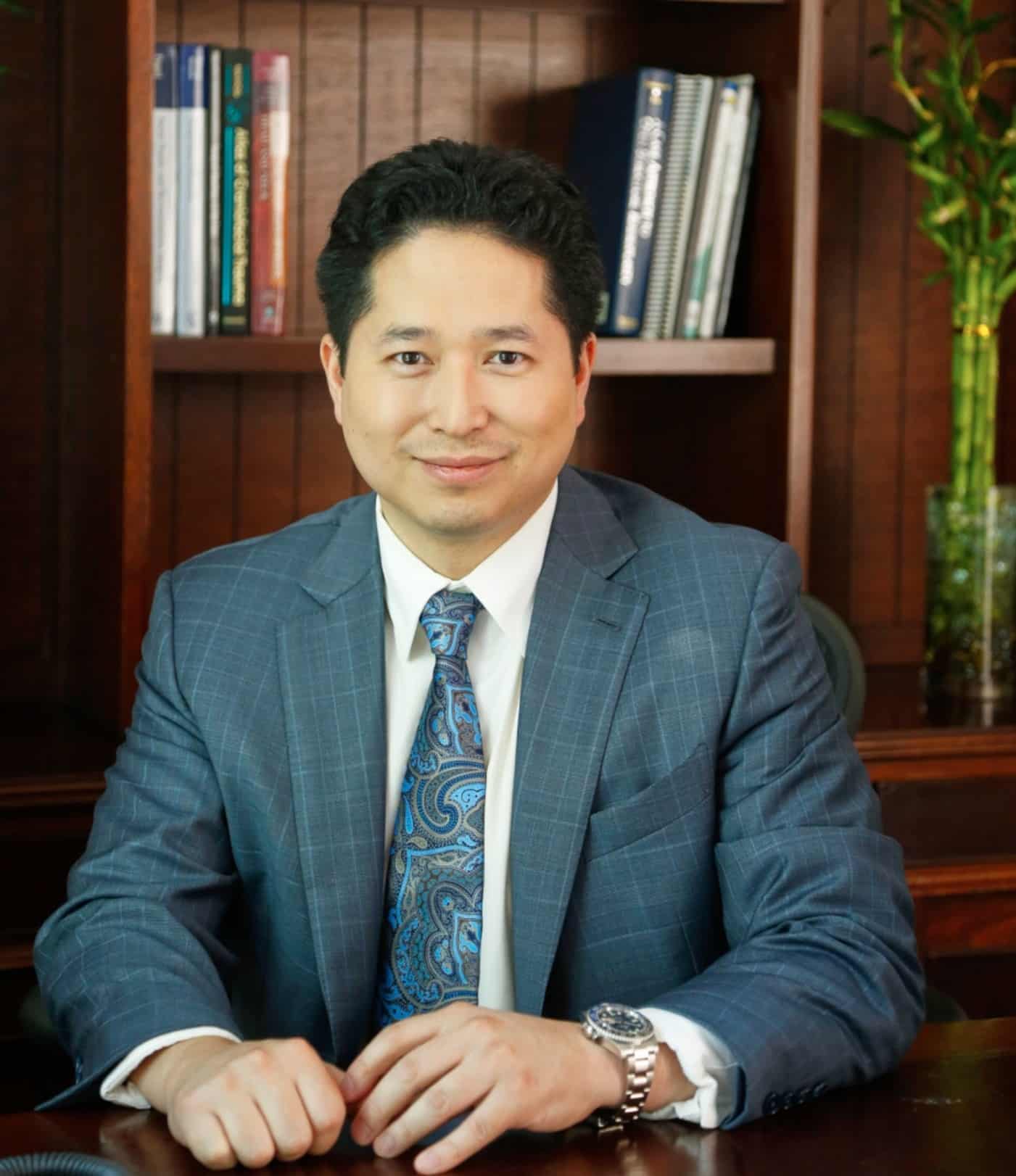
Get to know the surgeon behind Mao Facial Plastic Surgery.
Dr. Johnny Mao’s practice focuses on facial plastic and reconstructive surgery, with surgical and non-surgical options tailored to individual concerns. A consultation is the opportunity to discuss your features, your goals, and the care that may be appropriate for you.
Visit our Orange office to ask questions about treatment options, recovery, and follow-up, and learn more about Dr. Mao’s background and approach to care.
Treatment recommendations based on your anatomy, concerns, and desired outcome — never a one-size-fits-all approach.
Results designed to look natural and harmonious with your existing features rather than overdone.
Clear communication and support before, during, and after treatment so you always know what to expect.
Discuss your concerns and goals in a private, unhurried setting and learn about your options.
Receive a recommended treatment plan with realistic expectations and a clear timeline.
Our team is available throughout your recovery with follow-up visits and guidance.
Selected by Dr. Mao. Explore these featured transformations, then discover more patient results in our full gallery.
Showing 12 featured cases
A selection of Dr. Mao's patient results. Browse the full gallery for more before-and-after photos by procedure.
Case 6903 · Dorsal Hump and Finesse Tip
View case detailsCase 3291 · Nasal Profile Bliss
View case details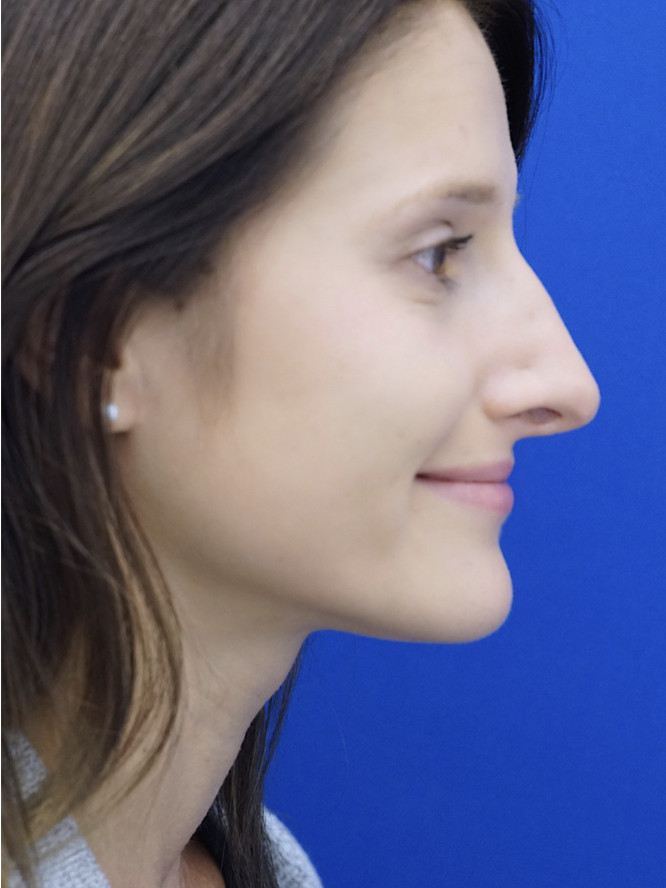
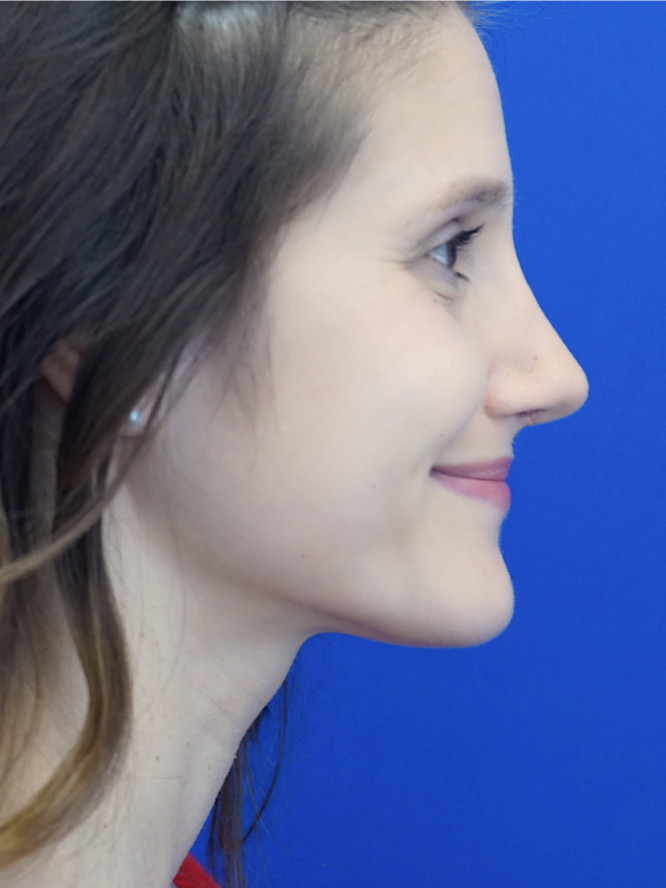
Case 6821 · Deep Plane Lower Facelift
View case details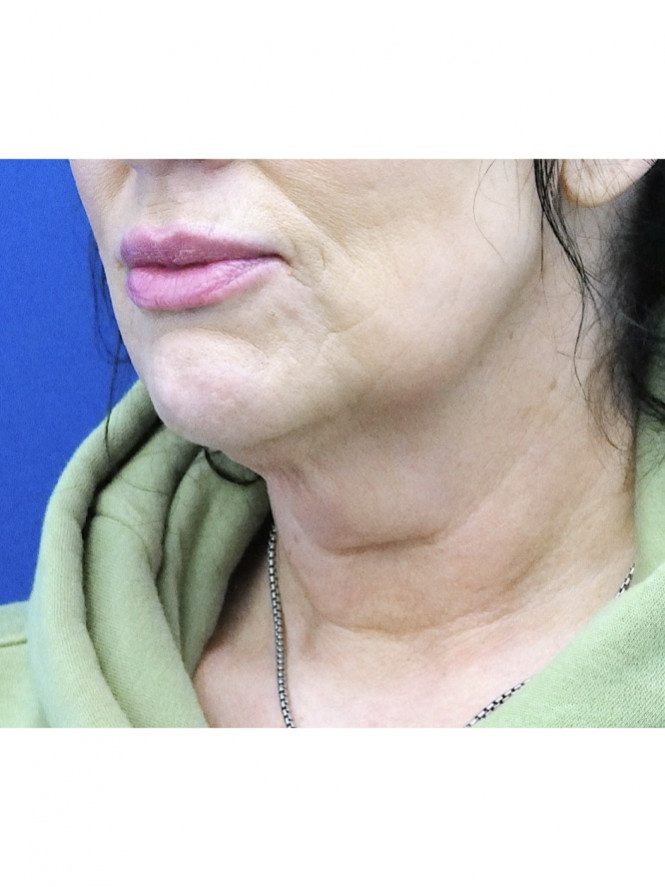
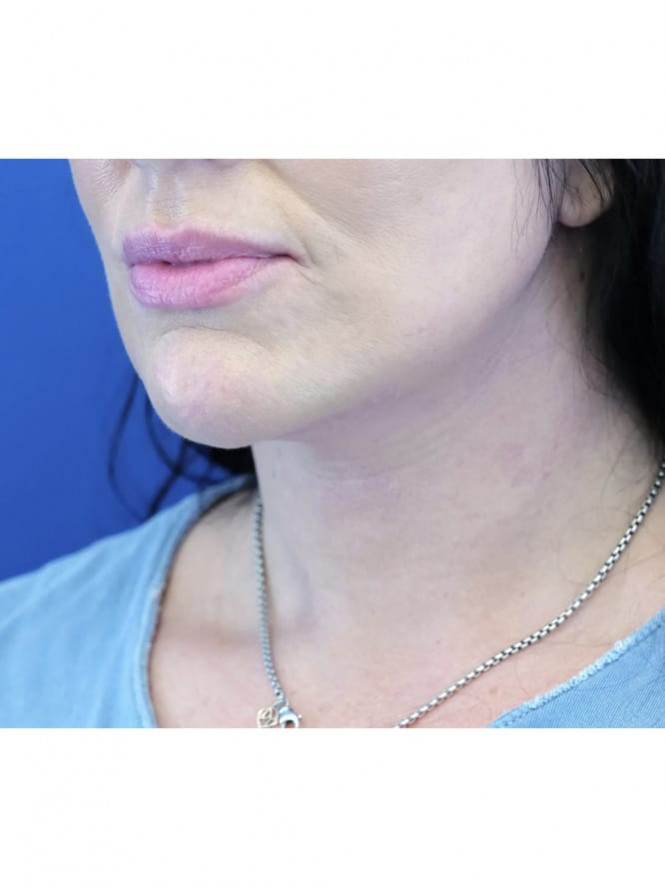
Case 5704 · Fantastic Facial Profile
View case details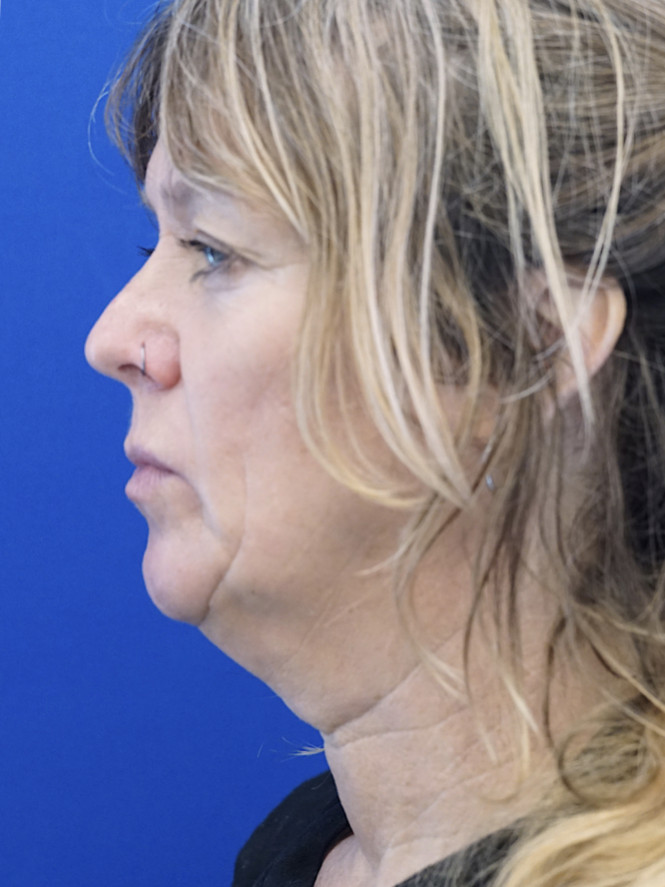
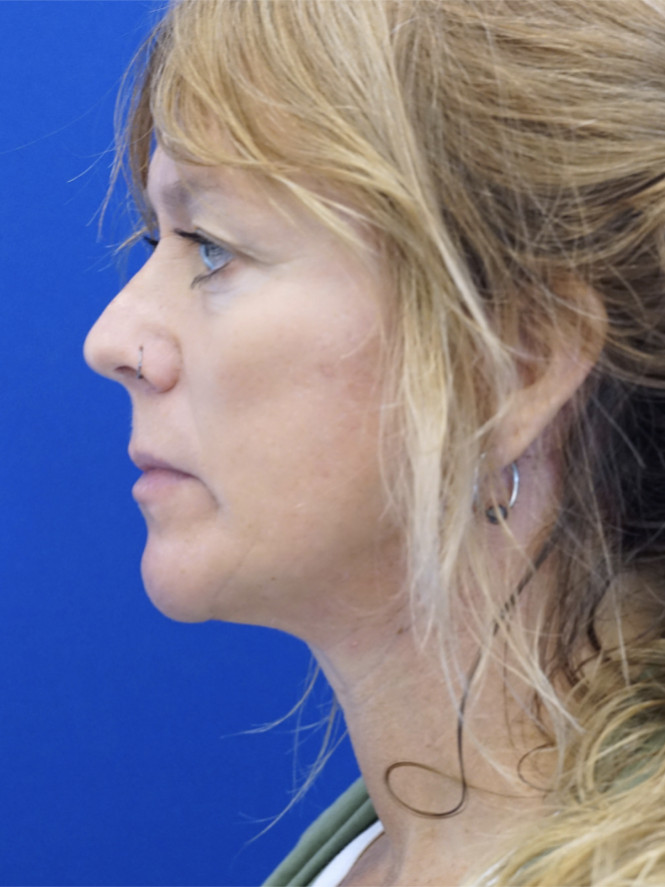
Case 7154 · Natural Result
View case details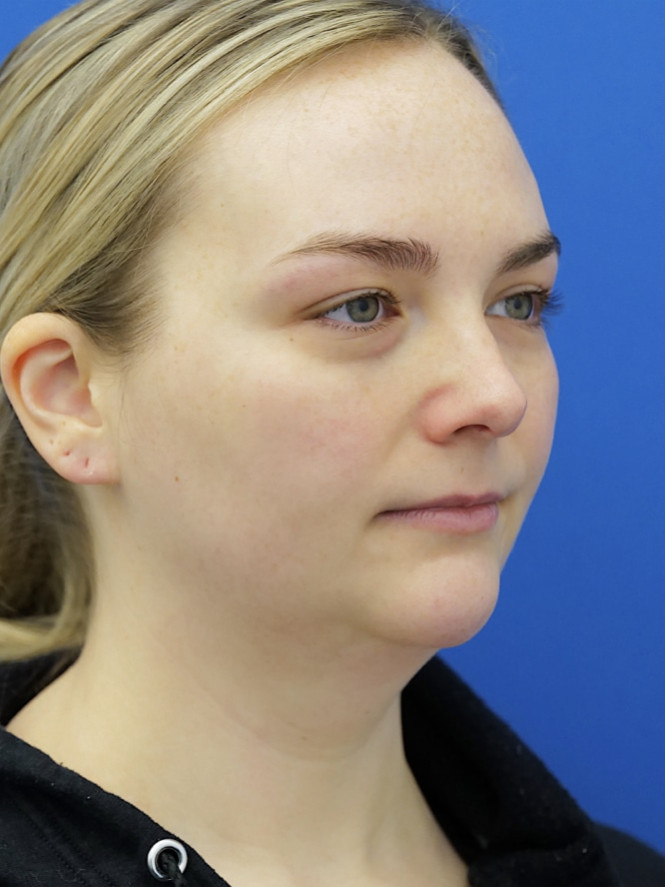
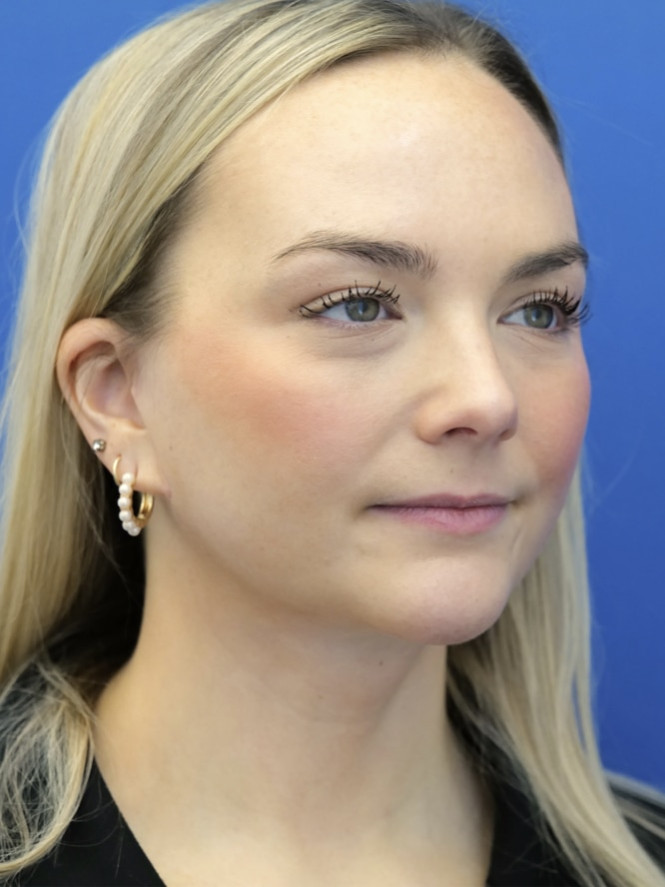
Case 6868 · Brow Fat Suspension
View case details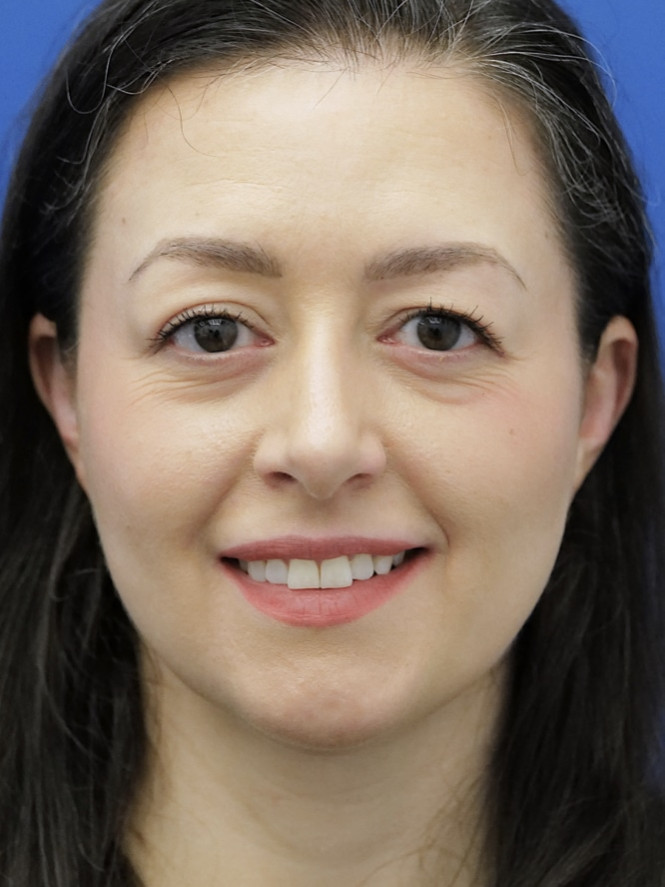
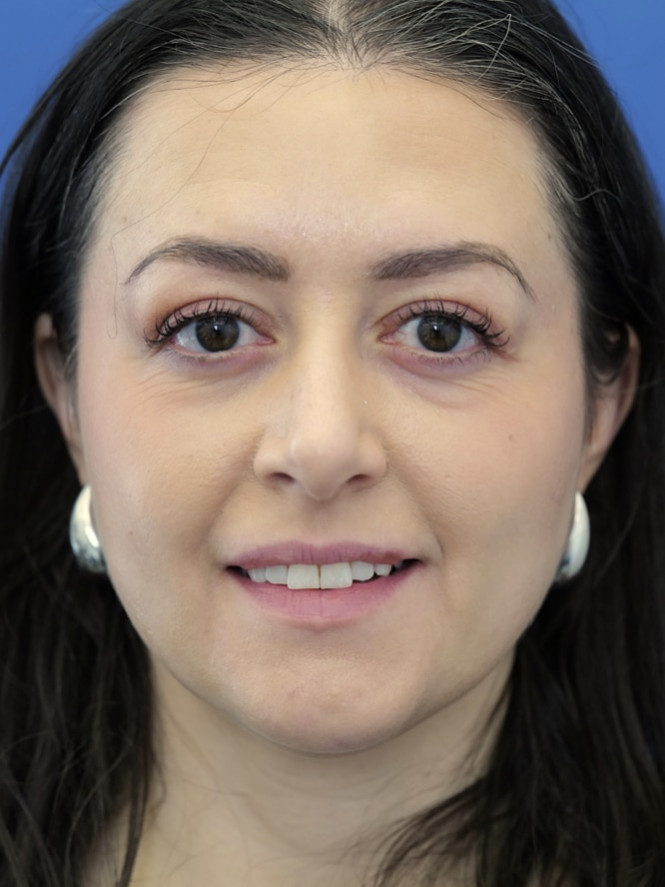
Case 7252 · Lower Lid Fat Reposition
View case details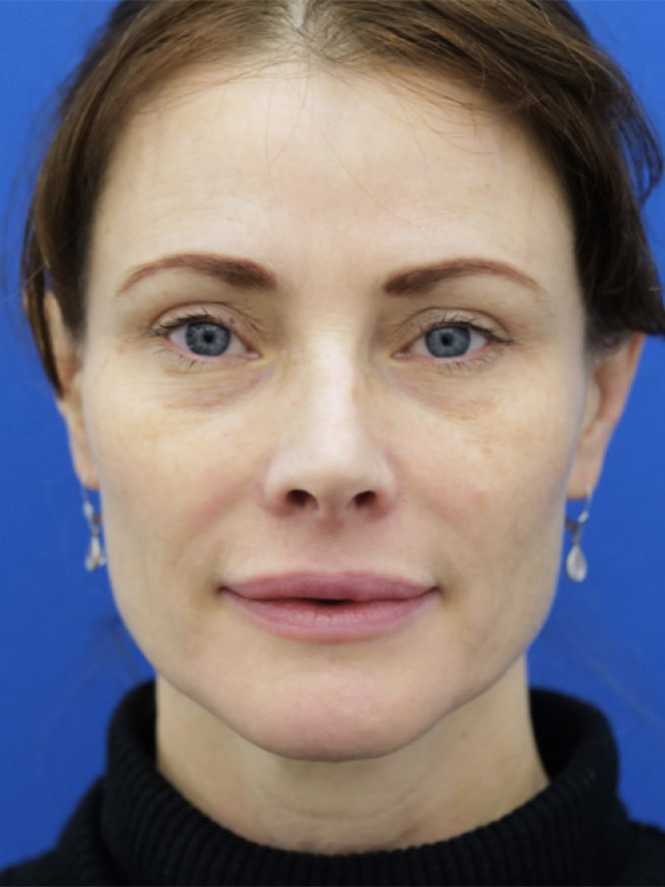
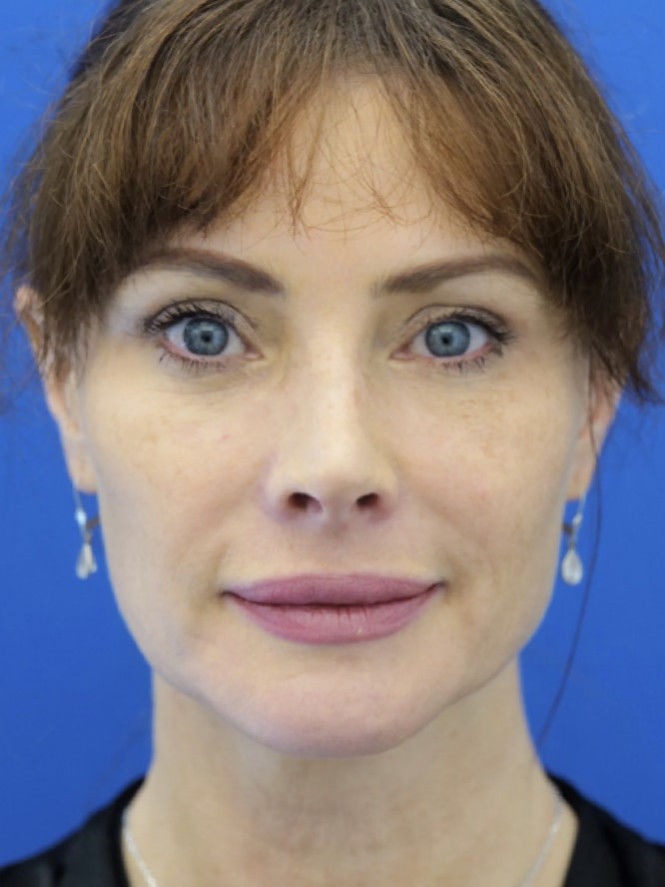
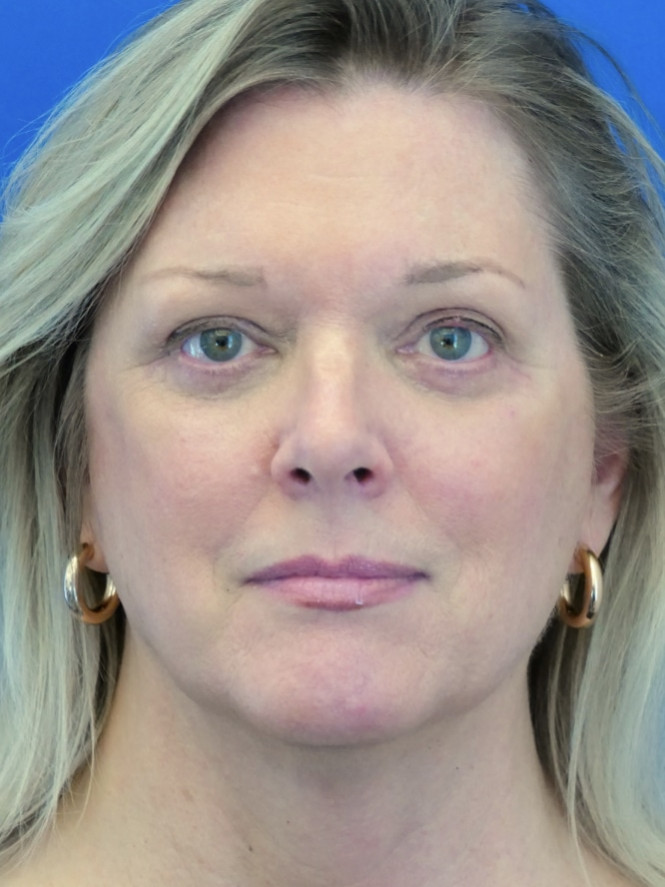
Case 6655 · Endoscopic Browlift, Quad Blepharoplasty
View case details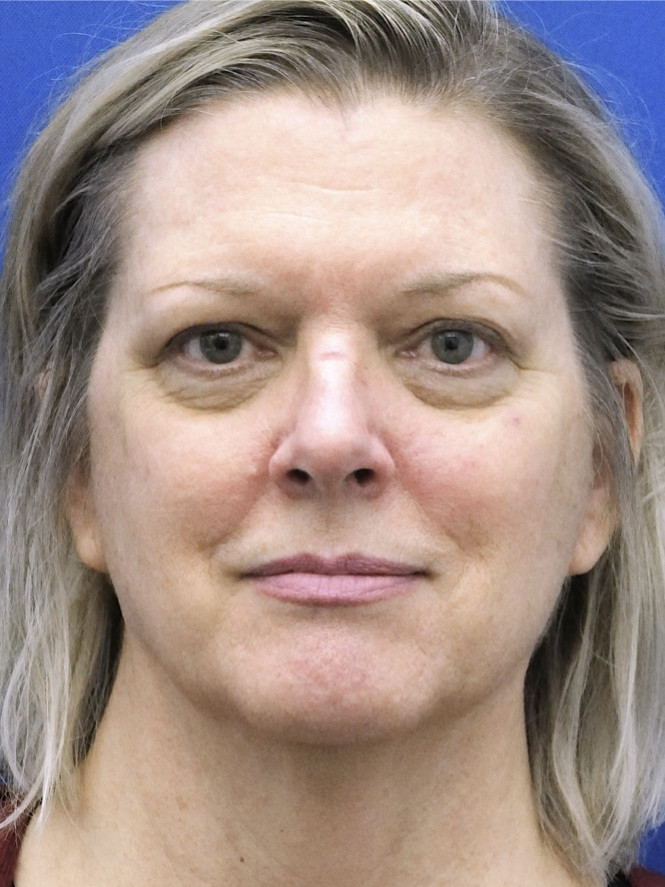
Case 2323 · Vertical Lengthening Chin*
View case details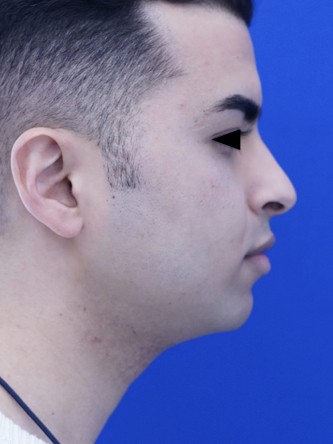
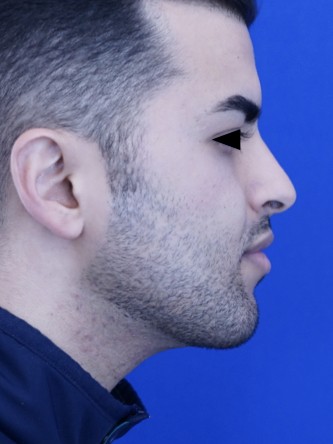
Case 6966 · Ridge Creation and Setback
View case details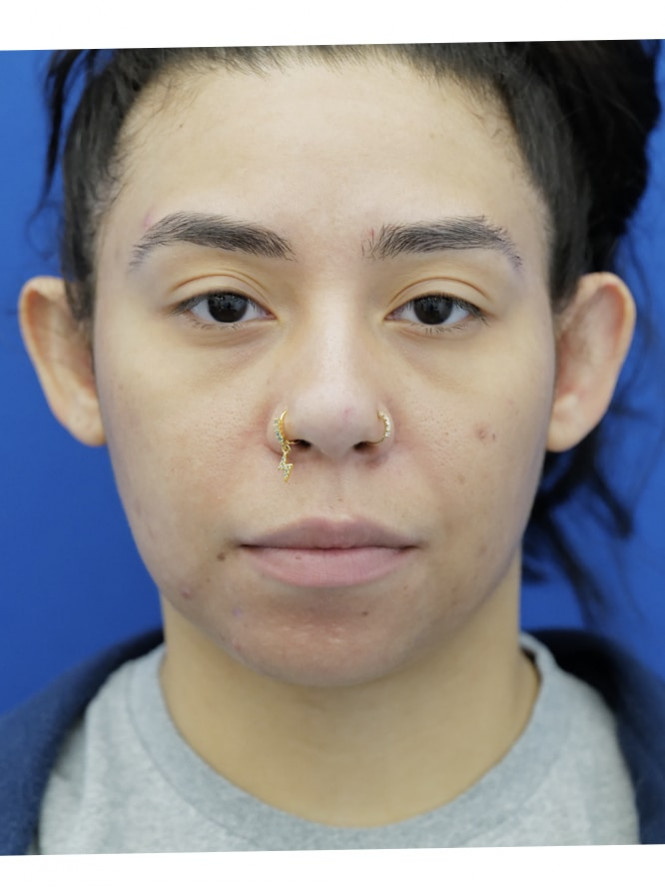
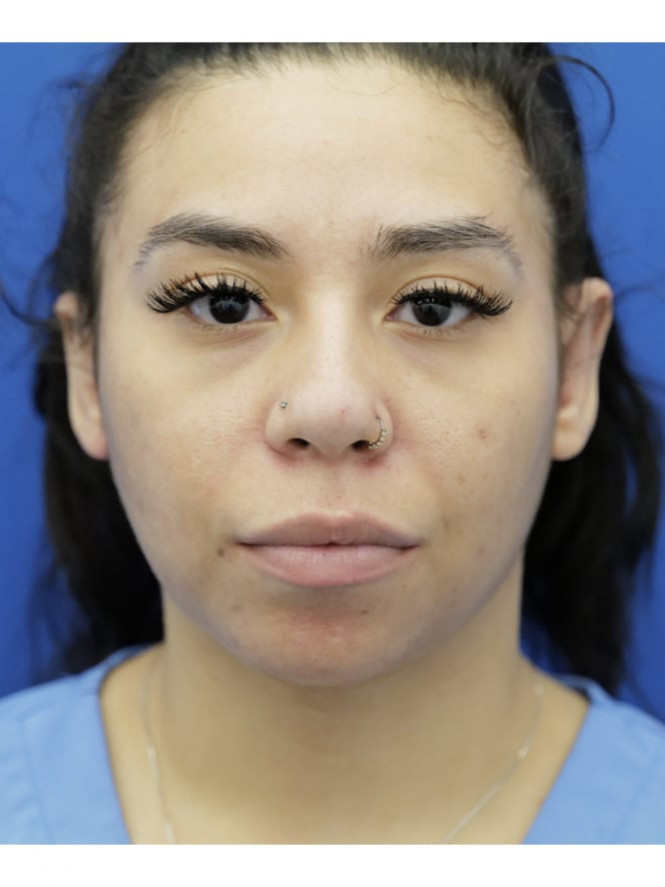
Case 7561 · Awesome Jawline
View case details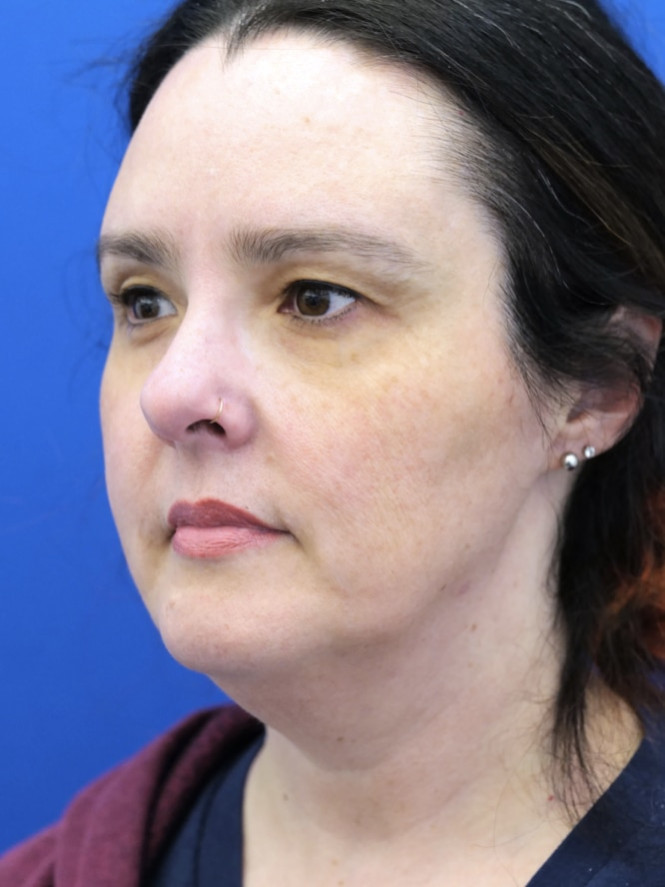
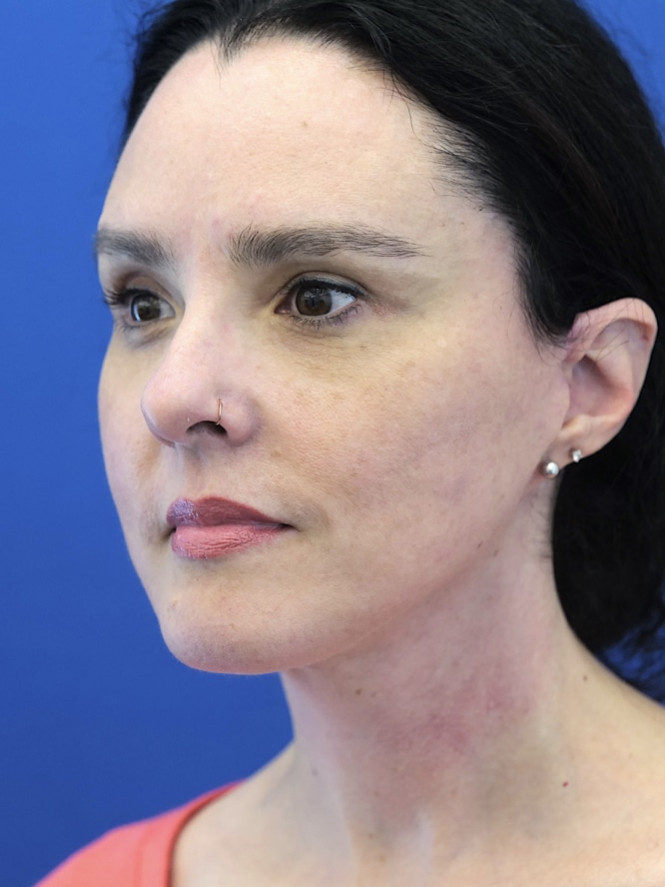
Case 7566 · Preserving Tip Surface Aesthetics
View case details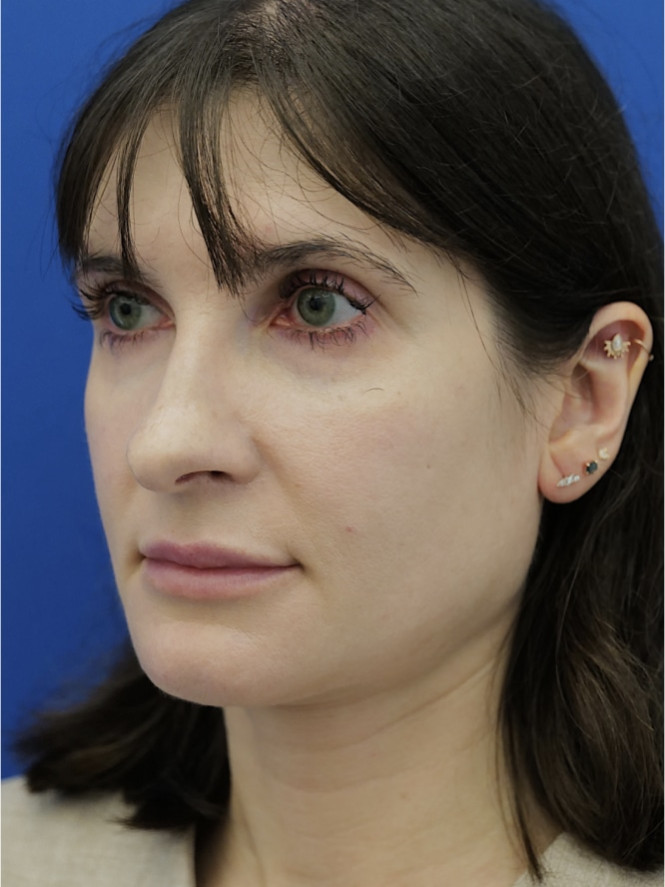
Individual results vary.
Explore other options as part of an individualized treatment discussion.
Injectables, fillers, and laser treatments remain available for patients exploring non-surgical care. Your consultation can help clarify which options fit your goals.
Explore Non-Surgical Options/// FIND THE RIGHT INJECTABLE FOR YOU
Read patient feedback published by the practice and on independent review platforms.
Patient feedback includes experiences with facelift, rhinoplasty, eyelid surgery, otoplasty, and revision procedures.
Read practice testimonialsPublished feedback also covers injectable treatments, liquid rhinoplasty, BOTOX®, fillers, and laser services.
Read practice testimonialsVisit Dr. Mao's RealSelf profile for additional patient reviews and procedure information.
View RealSelf reviewsWelcoming patients from Branford, Cheshire, East Haven, Fairfield, Milford, North Haven, Orange, Shelton, Southport, Weston, Westport, Wilton, Woodbridge, New Canaan, Darien, and surrounding Connecticut communities.
Mao Facial Plastic Surgery 200 S Orange Center Rd
Meet with Dr. Johnny Mao to discuss your aesthetic goals and available facial rejuvenation options.
Request a Consultation Call (203) 907-0501