Rhinoplasty
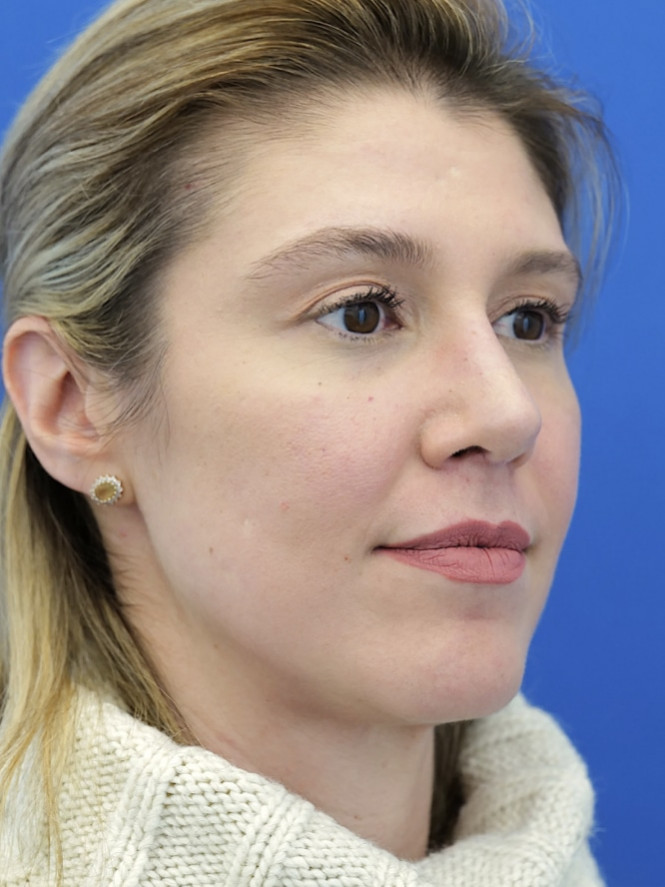
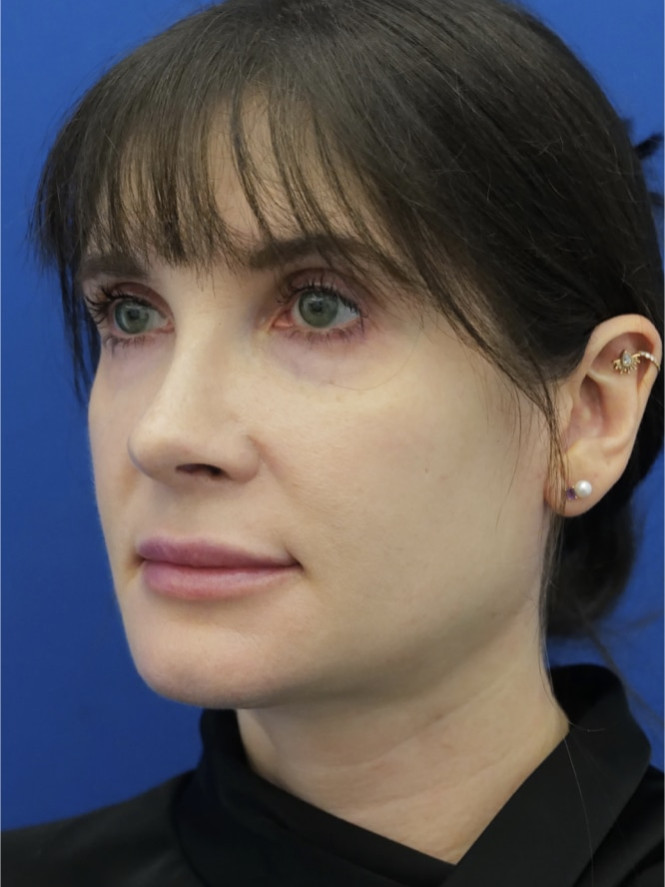
Case 6903 · Dorsal Hump and Finesse Tip
View case details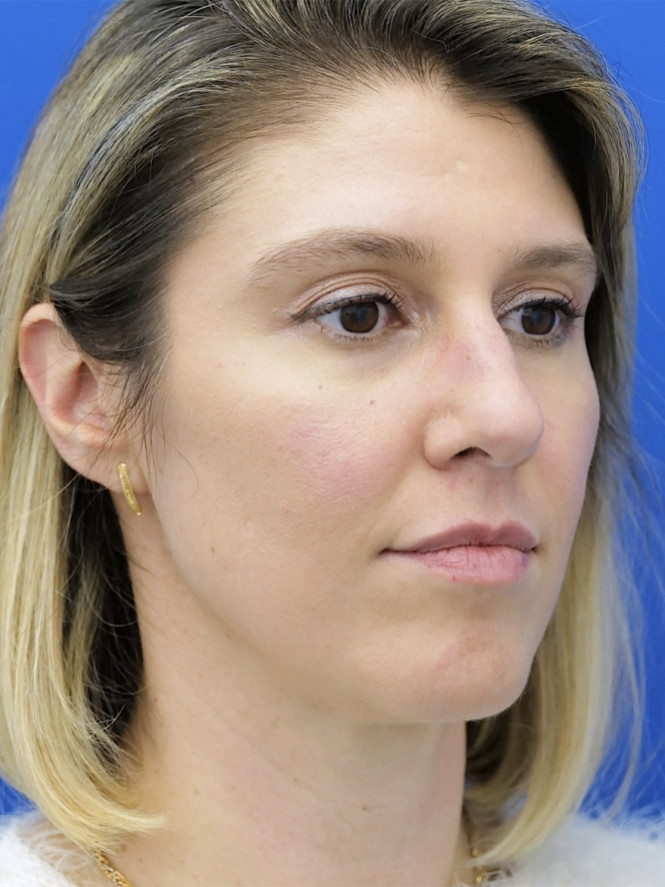

Rhinoplasty surgery, commonly known as a nose job, is a popular cosmetic procedure that can enhance the appearance and function of the nose. However, like any surgery, it comes with its own set of risks and potential complications. In this blog, we will explore the various risks involved in rhinoplasty surgery to help you make an informed decision.
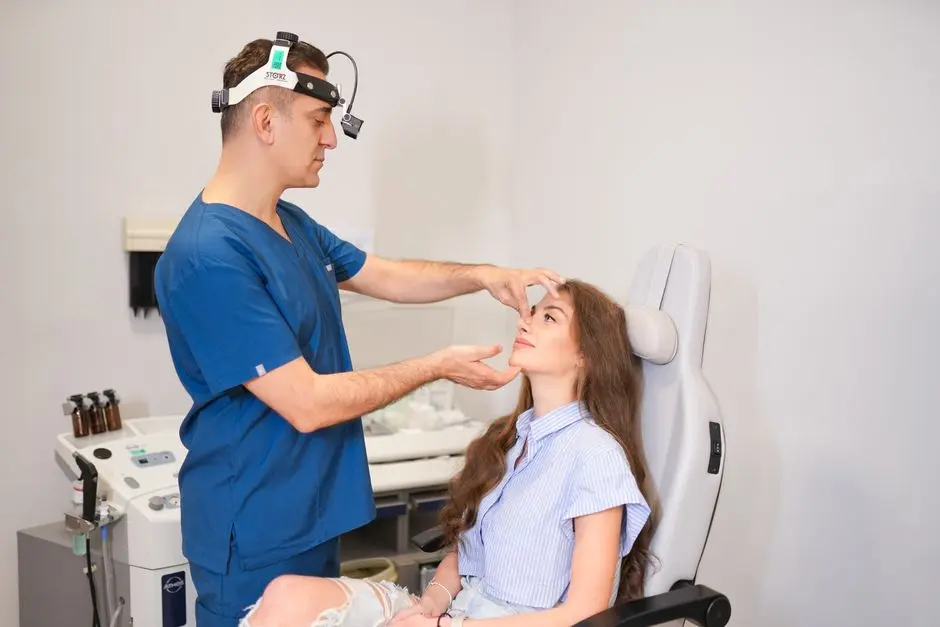
Before diving into the risks, it’s essential to understand what rhinoplasty surgery entails, including its purpose and types.
Rhinoplasty is primarily performed to alter the shape or size of the nose, often to enhance facial harmony. Different techniques, including open and closed rhinoplasty, address various needs and concerns. The method chosen typically depends on the complexity of the changes required.
Patients may also seek rhinoplasty for functional improvements, such as correcting breathing issues caused by structural abnormalities. In these cases, the surgery not only fulfills aesthetic desires but also enhances quality of life.
Rhinoplasty carries risks similar to other surgical procedures, such as infection, bleeding, and scarring.
Infections can occur post-surgery and, if not treated promptly, may lead to severe complications, including the need for additional surgeries. For this reason, maintaining proper hygiene and following your surgeon’s guidelines are critical.
Another common risk is bleeding, both during and after the operation. Not only can excessive bleeding complicate the procedure, but it may also result in prolonged recovery times.
Patients may experience visible scars from incisions, which is often a concern for those seeking a cosmetic procedure. Your surgeon’s skill in minimizing scarring through precise techniques is essential.
This section covers unique complications that can arise specifically from nose reshaping, such as nasal obstruction or changes in sensation.
One significant concern after rhinoplasty is nasal obstruction, which can result from internal swelling or structural changes. This may affect your ability to breathe normally, leading to frustration and discomfort.
Additionally, some patients report changes in sensation in their nose and surrounding areas. These alterations could be temporary or, in rare cases, permanent. Understanding these risks beforehand can help set realistic expectations.
Discussing how the psychological impact of surgery risks can affect patient satisfaction and the importance of mental health considerations.
The psychological aspects of undergoing rhinoplasty can be as significant as the physical risks. Many patients have high expectations for their results, often leading to disappointment if those expectations aren’t met.
Emotional well-being before and after surgery is crucial. Patients should take the time to evaluate their motivations and discuss potential outcomes with their surgeon. This conversation can expedite a positive experience.
Strategies and tips for patients to reduce risks, including choosing the right surgeon and following pre- and post-operative care instructions.
Selecting a qualified and experienced surgeon is a fundamental step in mitigating risks. Researching credentials, reading reviews, and scheduling consultations can help ensure you feel comfortable with your choice.
Additionally, adhering to pre-operative and post-operative care is vital. This might include avoiding certain medications or adjusting lifestyle habits, such as smoking, to promote healing.
Regular follow-ups with your surgeon can also play a key role in identifying potential complications early. Open communication allows for adjustments to be made as necessary, enhancing the overall success of your procedure.
Understanding the risks associated with rhinoplasty surgery is crucial for anyone considering this procedure. While many patients achieve satisfactory results, being aware of potential complications can help you approach the surgery with realistic expectations and thorough preparation. Always consult with a qualified surgeon to discuss your specific situation and concerns.
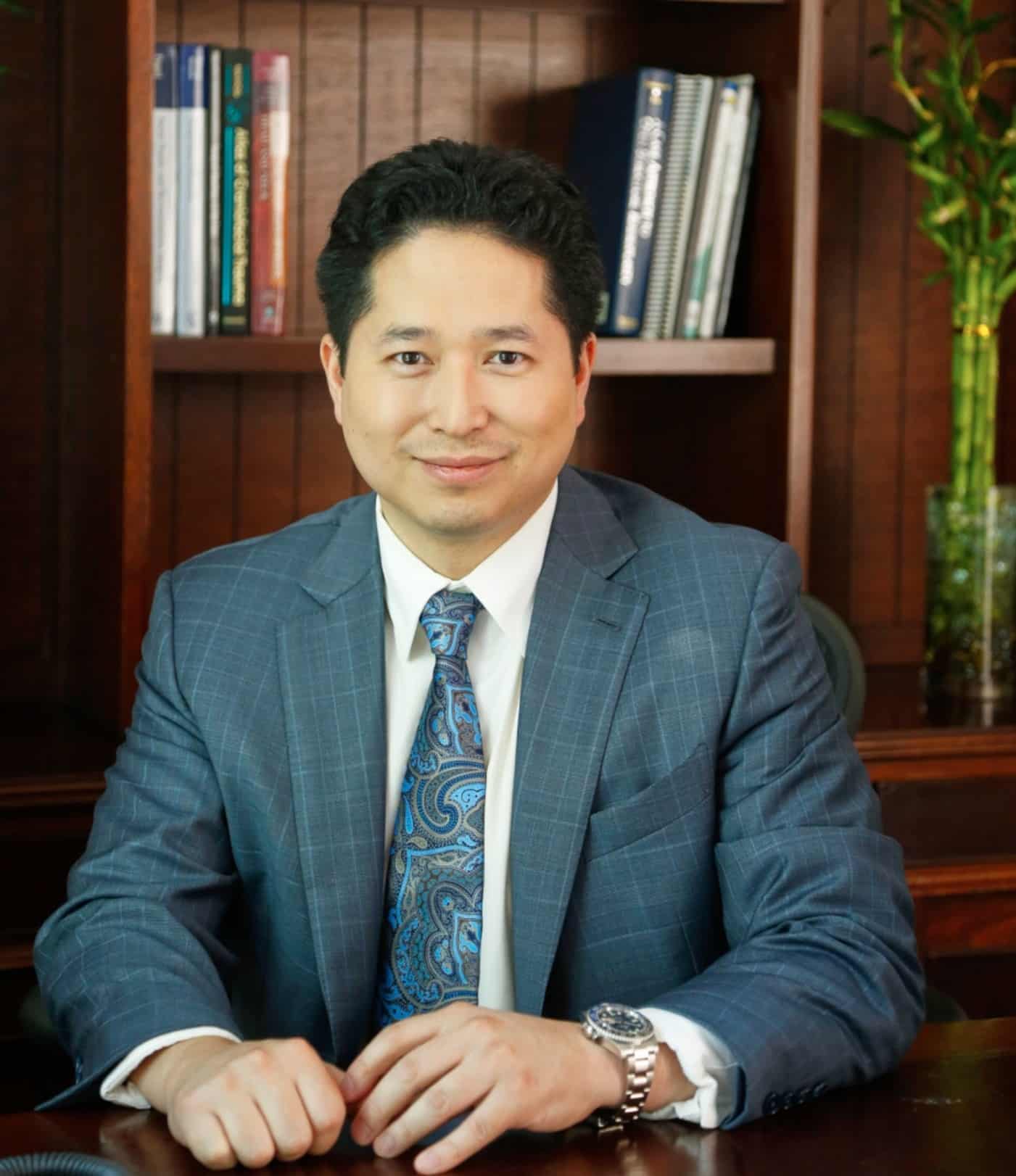
Get to know the surgeon behind Mao Facial Plastic Surgery.
Dr. Johnny Mao’s practice focuses on facial plastic and reconstructive surgery, with surgical and non-surgical options tailored to individual concerns. A consultation is the opportunity to discuss your features, your goals, and the care that may be appropriate for you.
Visit our Orange office to ask questions about treatment options, recovery, and follow-up, and learn more about Dr. Mao’s background and approach to care.
Treatment recommendations based on your anatomy, concerns, and desired outcome — never a one-size-fits-all approach.
Results designed to look natural and harmonious with your existing features rather than overdone.
Clear communication and support before, during, and after treatment so you always know what to expect.
Discuss your concerns and goals in a private, unhurried setting and learn about your options.
Receive a recommended treatment plan with realistic expectations and a clear timeline.
Our team is available throughout your recovery with follow-up visits and guidance.
Selected by Dr. Mao. Explore these featured transformations, then discover more patient results in our full gallery.
Showing 12 featured cases
A selection of Dr. Mao's patient results. Browse the full gallery for more before-and-after photos by procedure.
Case 6903 · Dorsal Hump and Finesse Tip
View case detailsCase 3291 · Nasal Profile Bliss
View case details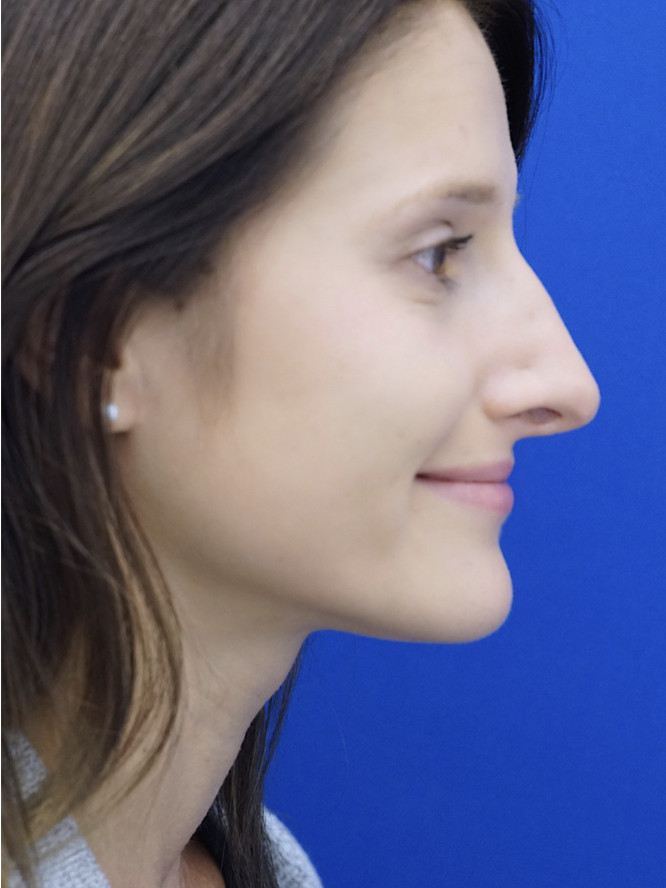
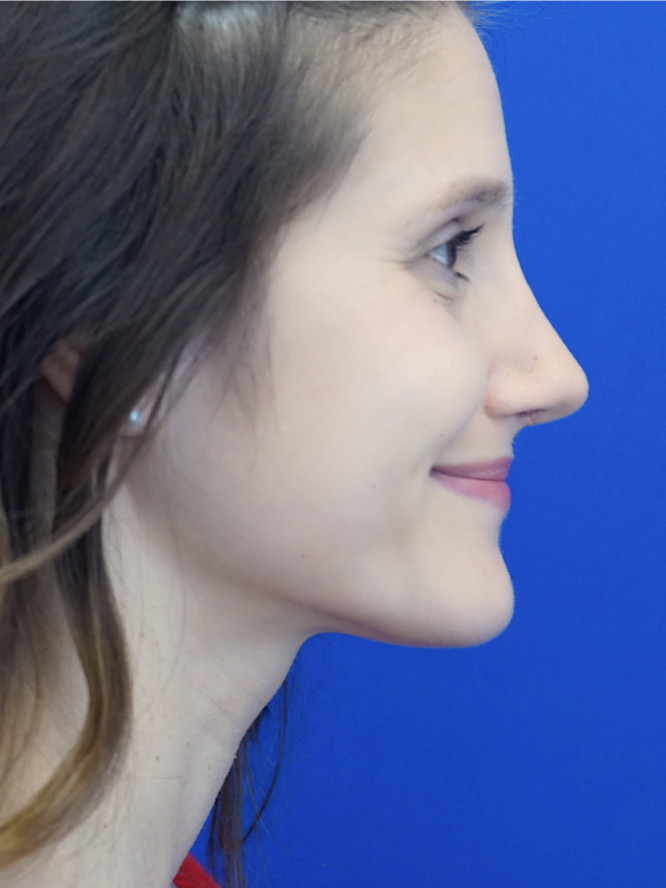
Case 6821 · Deep Plane Lower Facelift
View case details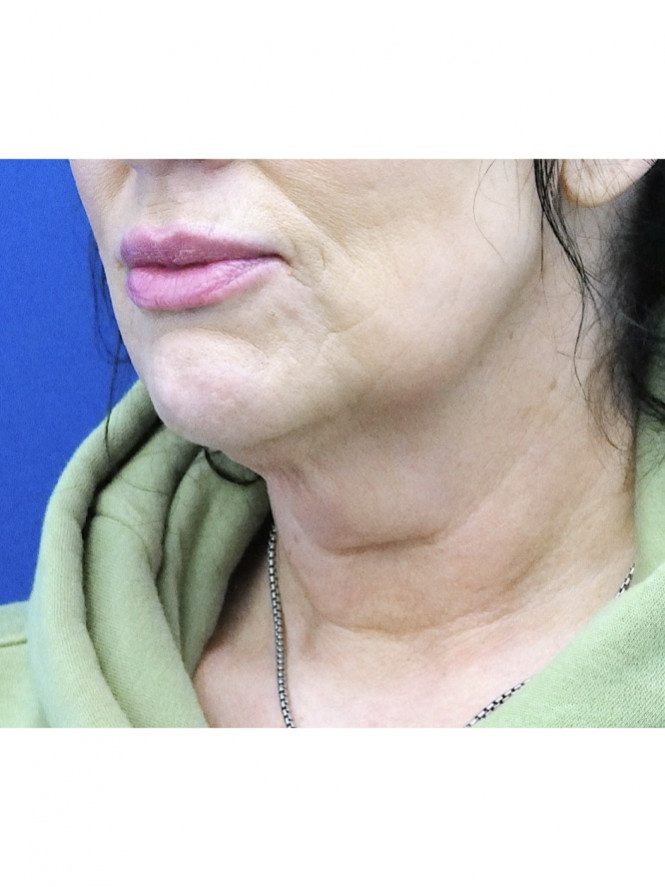
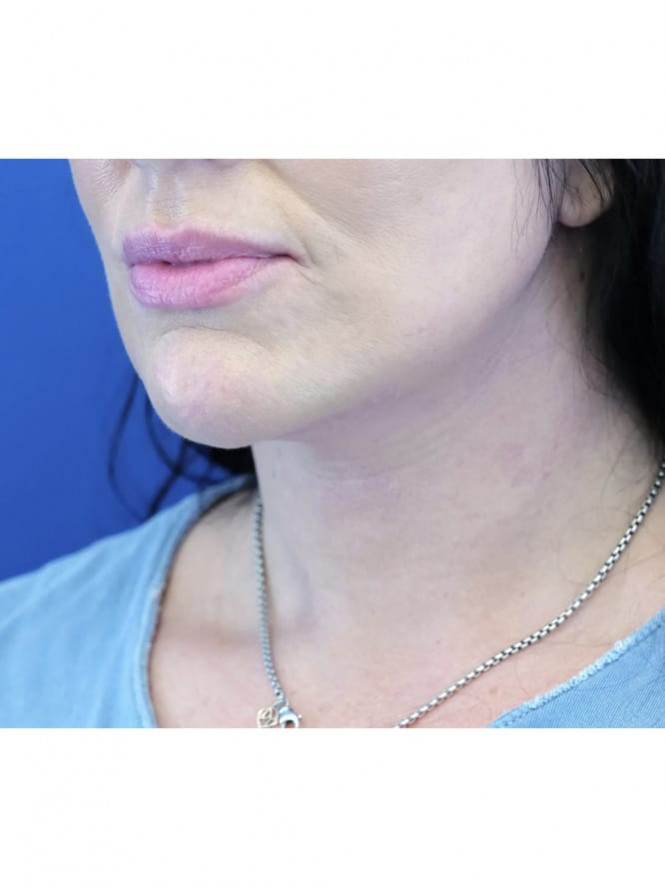
Case 5704 · Fantastic Facial Profile
View case details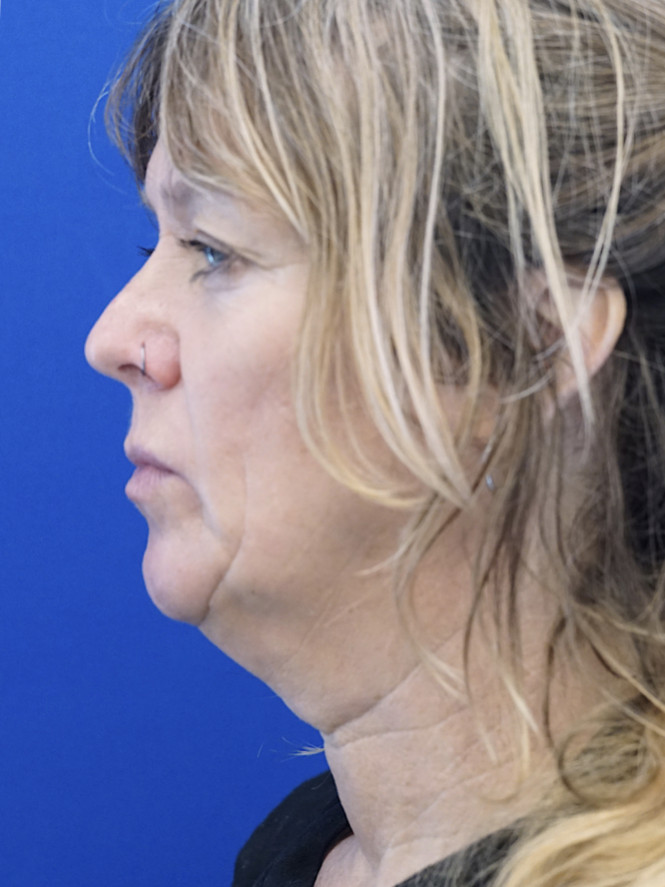
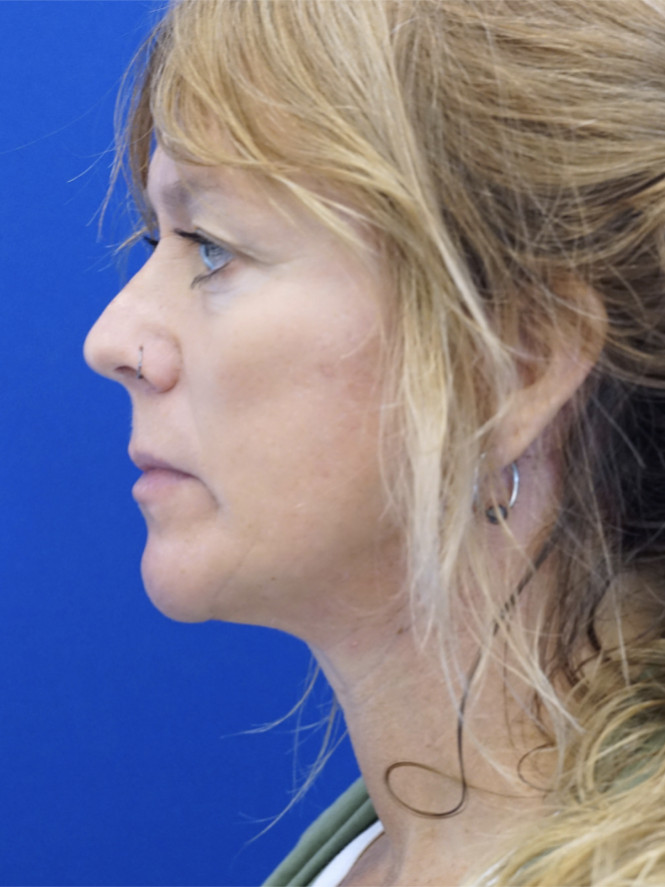
Case 7154 · Natural Result
View case details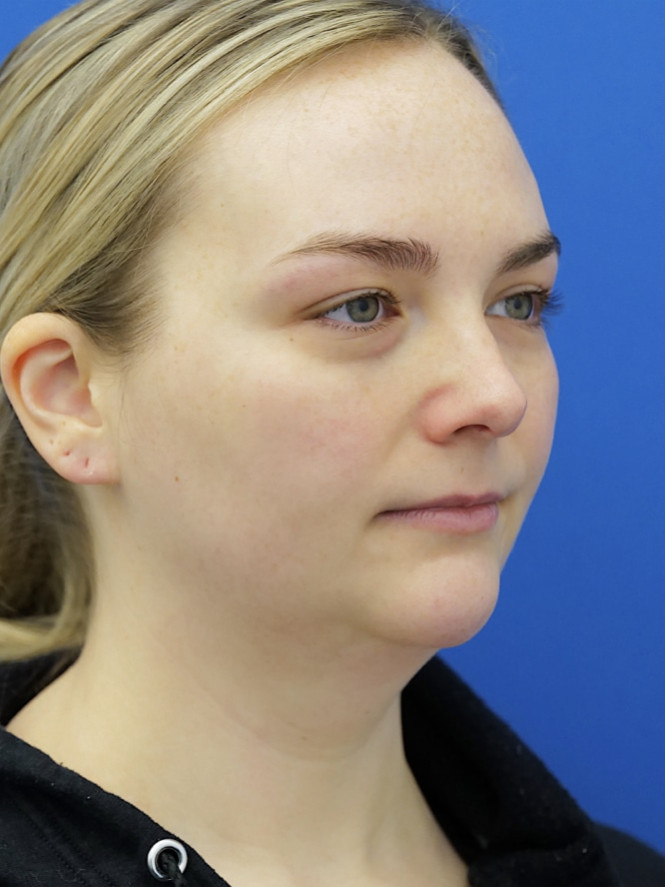
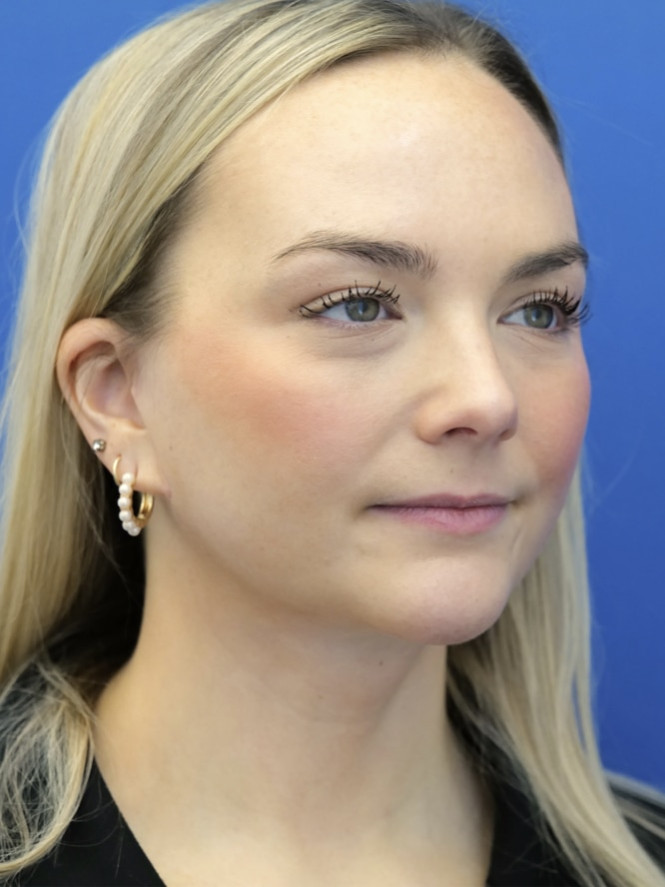
Case 6868 · Brow Fat Suspension
View case details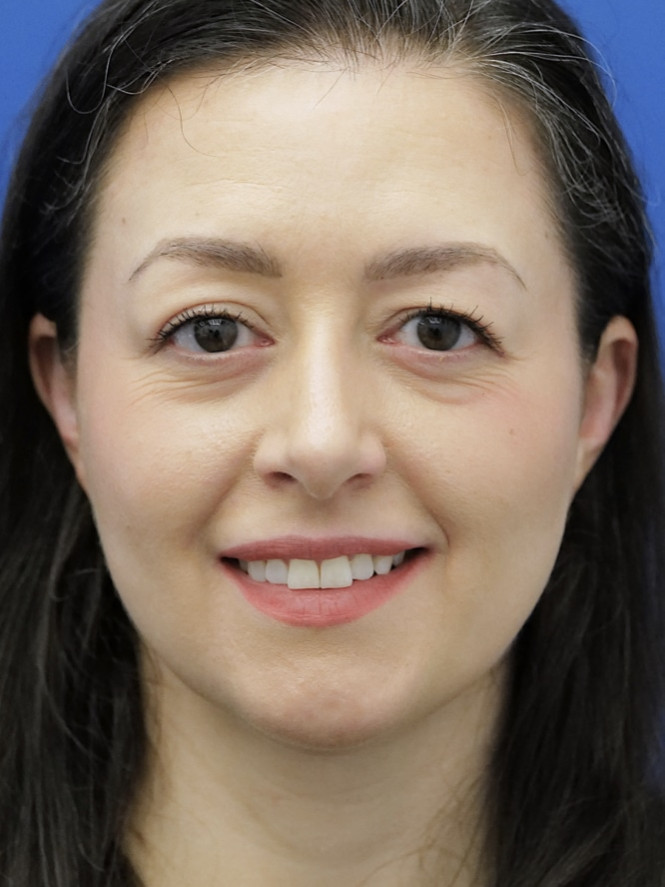
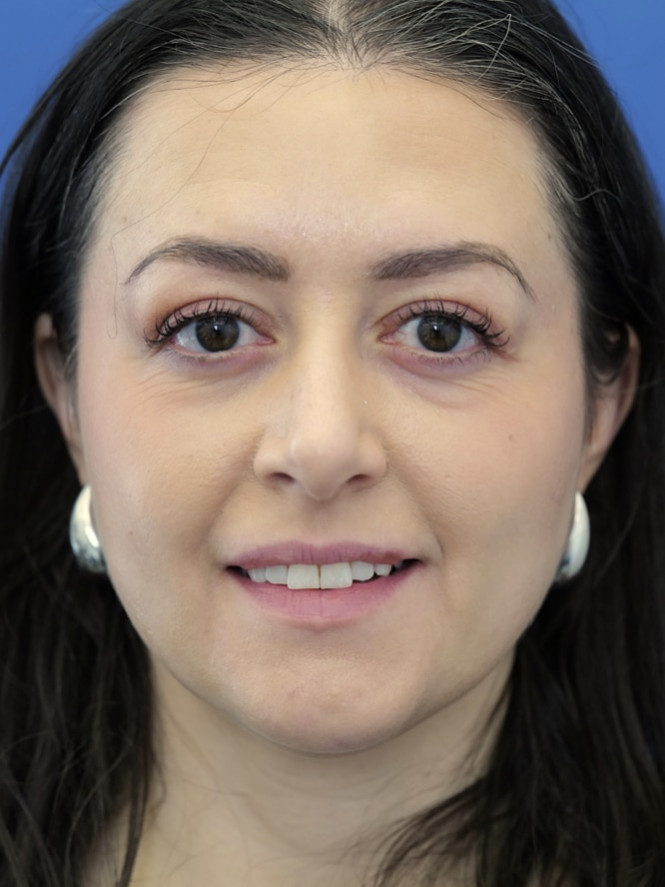
Case 7252 · Lower Lid Fat Reposition
View case details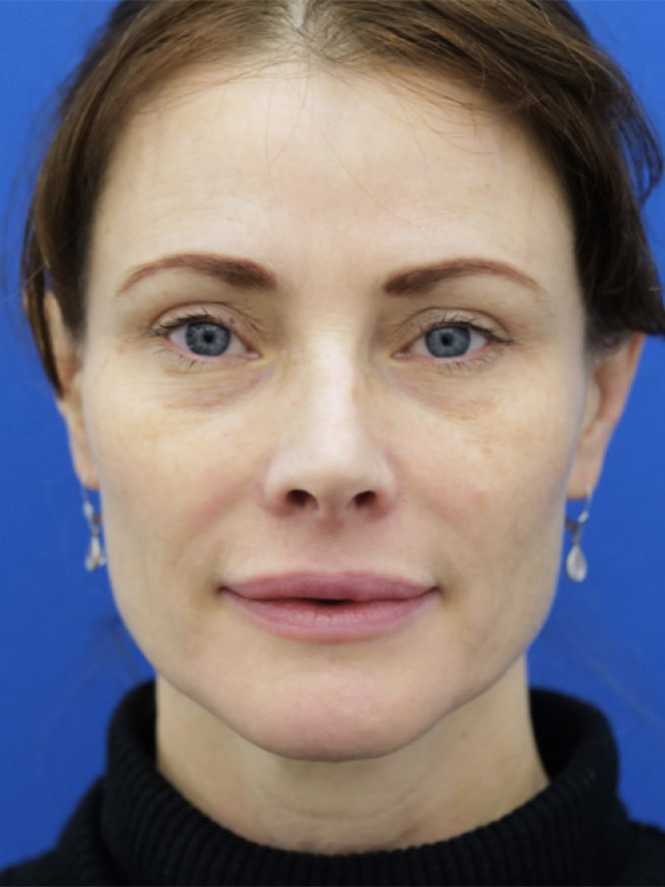
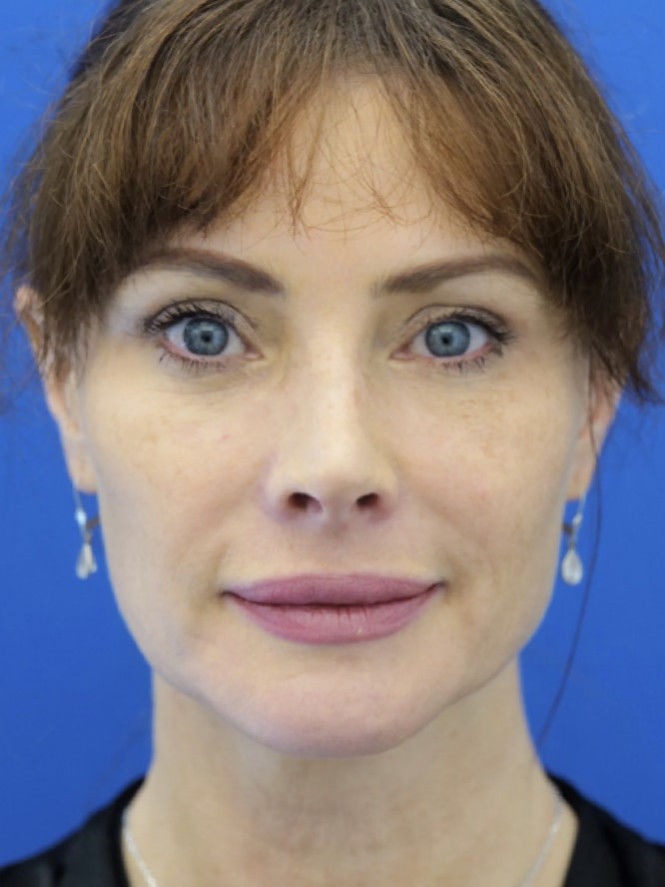
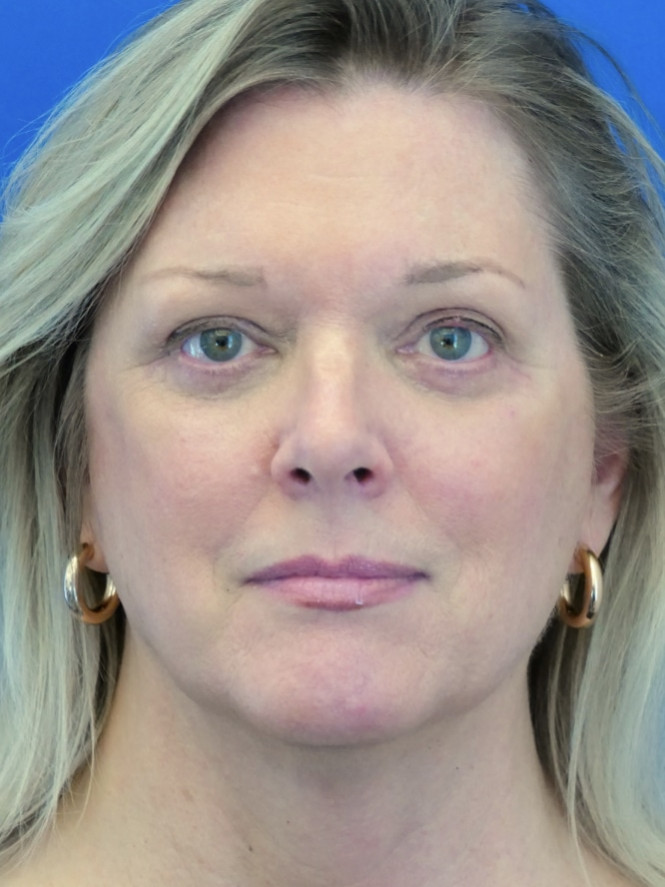
Case 6655 · Endoscopic Browlift, Quad Blepharoplasty
View case details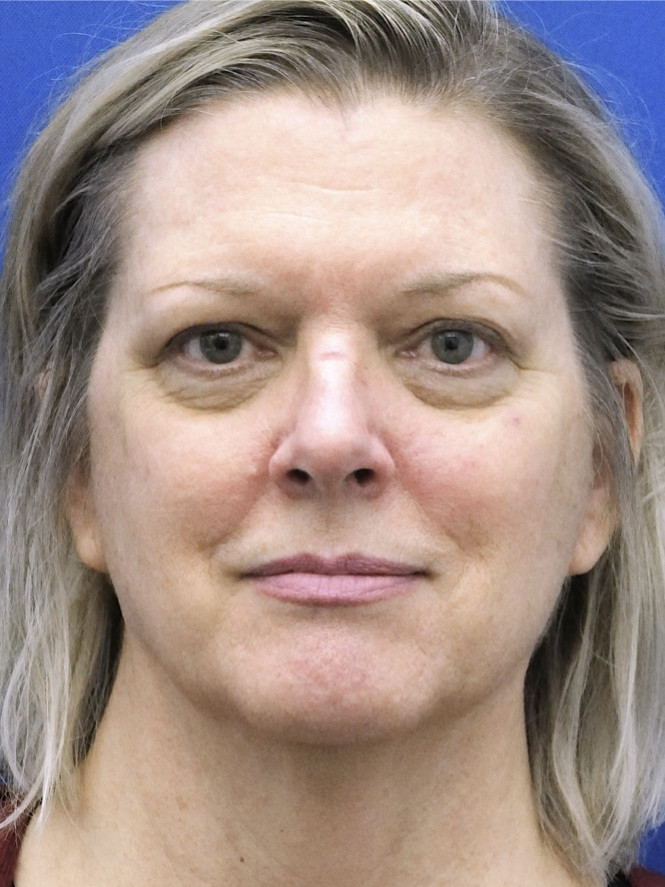
Case 2323 · Vertical Lengthening Chin*
View case details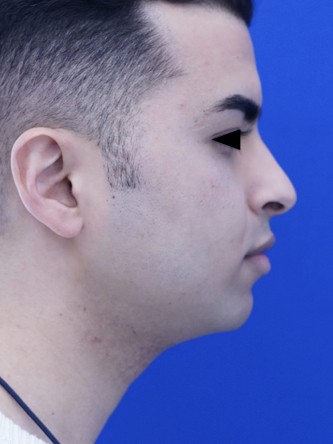
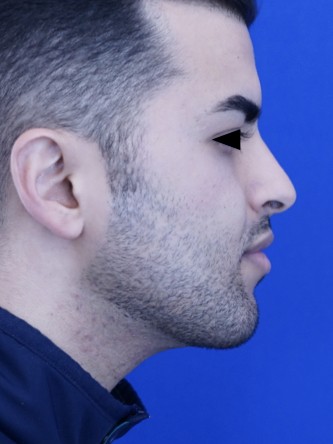
Case 6966 · Ridge Creation and Setback
View case details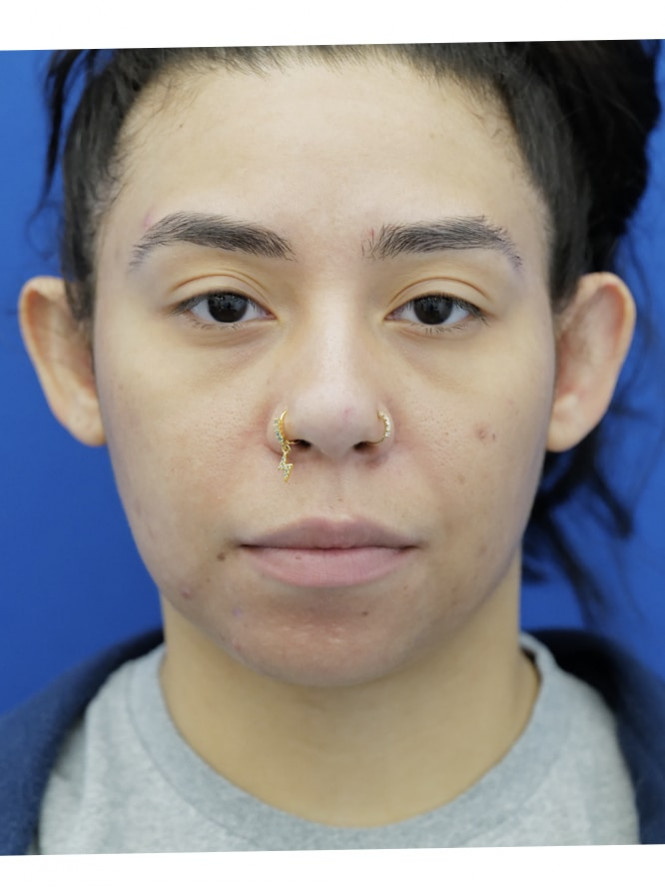
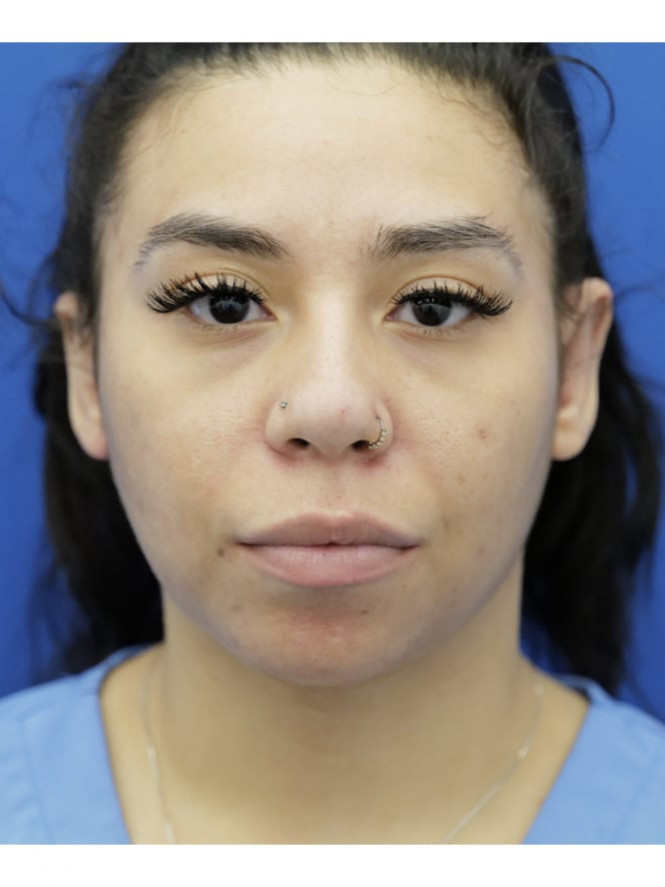
Case 7561 · Awesome Jawline
View case details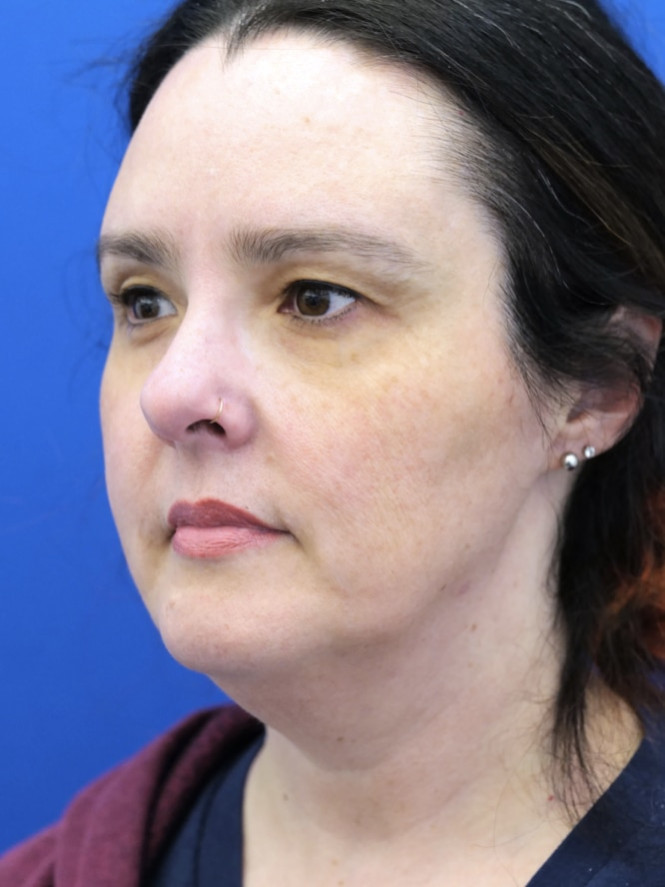
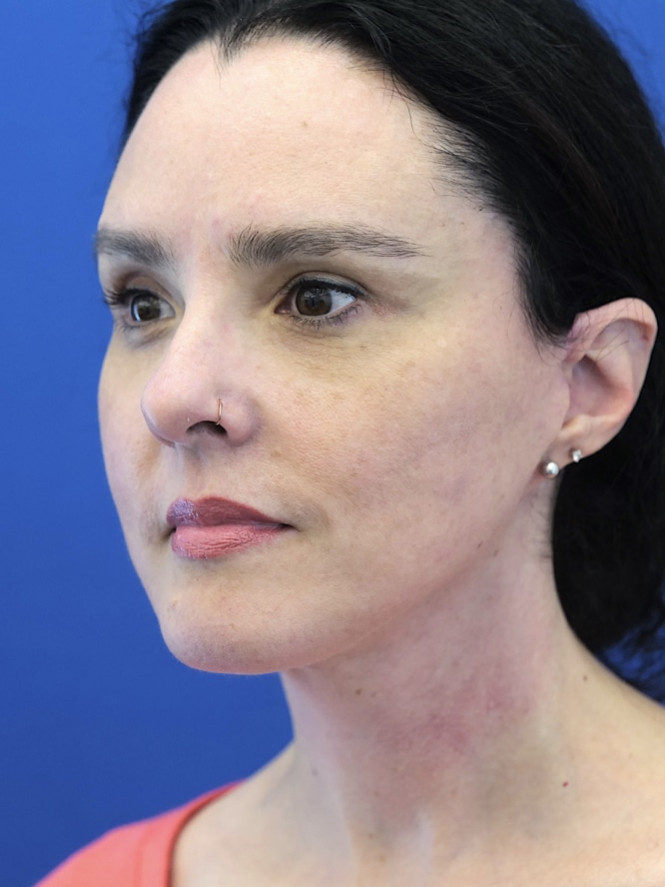
Case 7566 · Preserving Tip Surface Aesthetics
View case details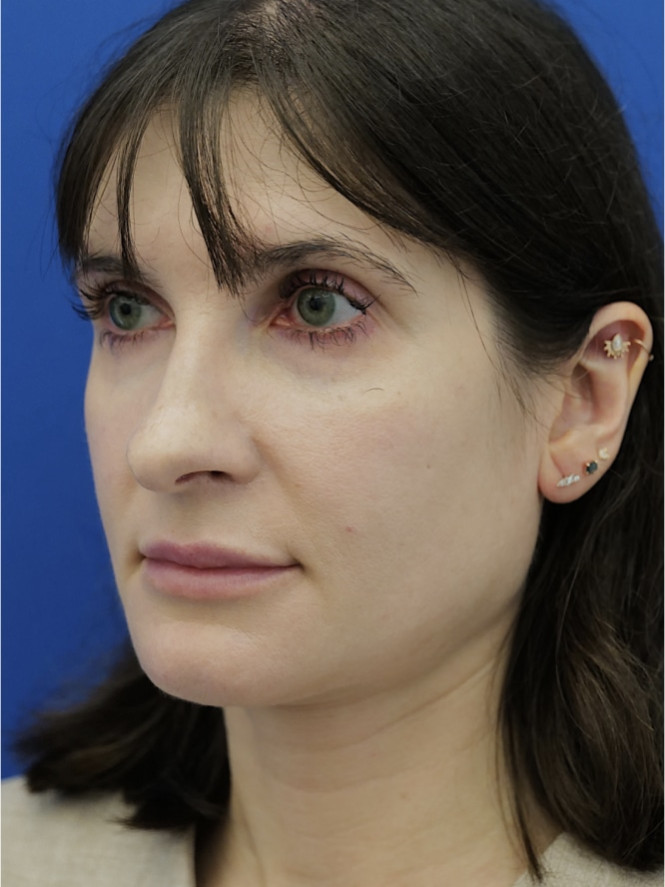
Individual results vary.
Explore other options as part of an individualized treatment discussion.
Injectables, fillers, and laser treatments remain available for patients exploring non-surgical care. Your consultation can help clarify which options fit your goals.
Explore Non-Surgical Options/// FIND THE RIGHT INJECTABLE FOR YOU
Read patient feedback published by the practice and on independent review platforms.
Patient feedback includes experiences with facelift, rhinoplasty, eyelid surgery, otoplasty, and revision procedures.
Read practice testimonialsPublished feedback also covers injectable treatments, liquid rhinoplasty, BOTOX®, fillers, and laser services.
Read practice testimonialsVisit Dr. Mao's RealSelf profile for additional patient reviews and procedure information.
View RealSelf reviewsWelcoming patients from Branford, Cheshire, East Haven, Fairfield, Milford, North Haven, Orange, Shelton, Southport, Weston, Westport, Wilton, Woodbridge, New Canaan, Darien, and surrounding Connecticut communities.
Mao Facial Plastic Surgery 200 S Orange Center Rd
Meet with Dr. Johnny Mao to discuss your aesthetic goals and available facial rejuvenation options.
Request a Consultation Call (203) 907-0501